Welcome to the accessible travel news roundup, published on Fridays, which highlights interesting stories that are worth sharing, but not suited for dedicated, long-form coverage on this website.
Accessible travel and industry news from around the web:
- DOJ sues SeaWorld, Busch Gardens parent company over rollator walker ban — The Department of Justice filed a federal lawsuit on March 26 against United Parks & Resorts, the parent company of SeaWorld Orlando, Busch Gardens Tampa Bay, Discovery Cove and Aquatica Orlando, alleging the company's ban on wheeled walkers with seats violates Title III of the Americans with Disabilities Act. The lawsuit, filed in the U.S. District Court for the Middle District of Florida, alleges the policy prevented children, veterans and other disabled people from accessing the parks. The DOJ is seeking a court order requiring the company to change its policies, train staff on the ADA, and pay damages to affected individuals.

- Disney shareholders overwhelmingly reject independent review of disability access overhaul — At Disney's annual shareholder meeting on March 18, a proposal requesting an independent third-party review of the company's controversial Disability Access Service (DAS) changes received just 5% of the vote. The proposal, presented by disability advocate Erik Paul, cited surveys indicating 85% of disabled guests are unlikely to return to the Disney Parks following the DAS overhaul. Disney's board recommended a vote against the proposal. A class action lawsuit challenging the changes remains pending. When the numbers tell you that 85% of disabled guests won't come back, yet 95% of shareholders don't care enough to investigate, you start to see where disabled consumers rank in the priority list.
Do you value staying up-to-date with the latest accessible travel news? Support our work to keep you informed by upgrading to a paid membership. Your support is critical to making travel accessible!
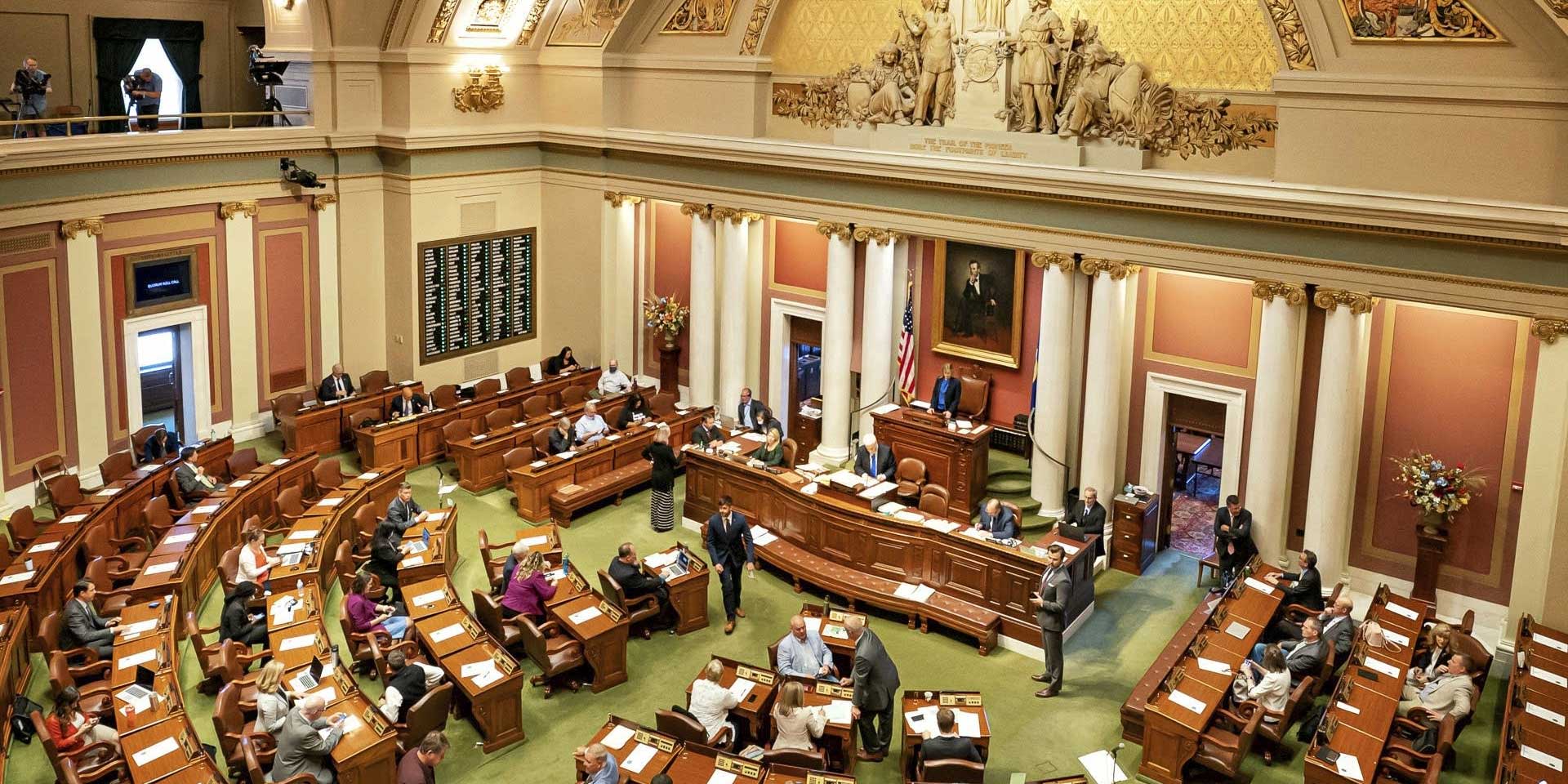
- Minnesota Waymo bill fails after wheelchair accessibility amendment stalls — A bill to authorize autonomous vehicles in Minnesota failed to pass the state's House Transportation Finance and Policy Committee after lawmakers could not agree on amendments, including a requirement for wheelchair-accessible vehicle options. The Waymo-backed bill laid legal groundwork for AV operation but contained few accessibility mandates. A competing Democratic bill proposed stricter requirements. This is a pattern I've written about before:
Autonomous Taxis Won’t Be Accessible With Laws Like These
State laws that preempted local rideshare regulation are now being used to shield autonomous taxis from wheelchair accessibility mandates.
 John Morris
- DIY (with AI) ADA Title III lawsuit filings surge — The disability law blog at Seyfarth Shaw reports that while the total number of ADA Title III lawsuit filings in federal court remained steady in 2025, with California, Florida and New York retaining the top three spots, pro se ADA filings, now aided by generative AI tools, jumped 40% in 2025 compared to 2024. Businesses that fail to address accessibility are increasingly likely to be sued — not by large advocacy organizations, but by individual plaintiffs armed with AI-drafted complaints.
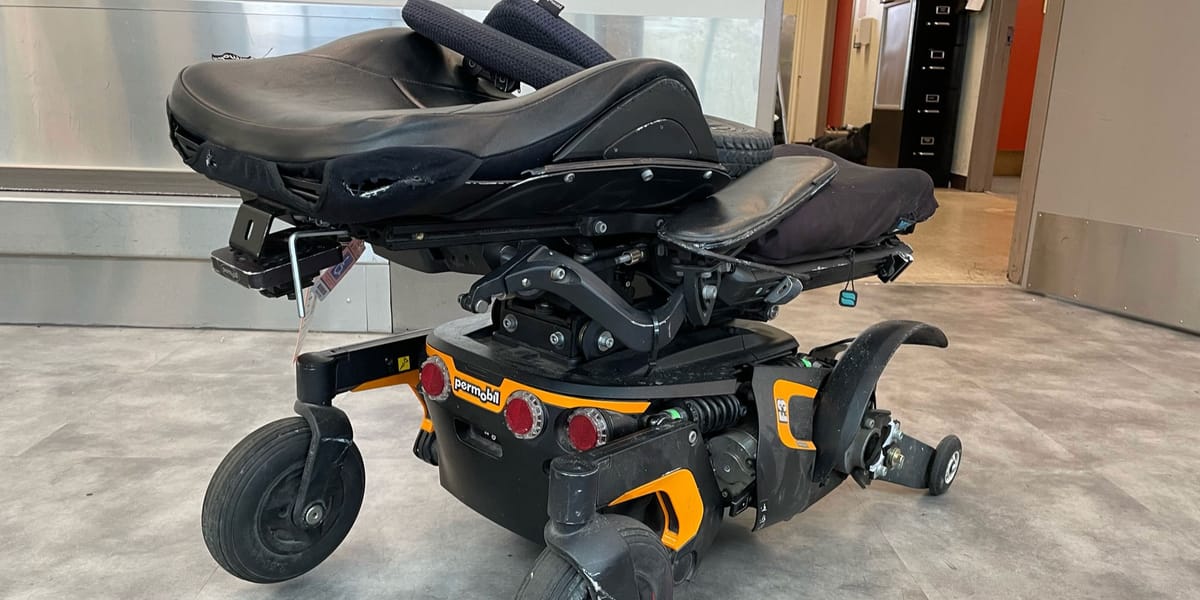
- Wheelchair Rule II timeline: NPRM expected August 2026, final rule no sooner than December 2026 — A reminder of where things stand with the DOT's 2024 Wheelchair Rule: four key provisions of the December 2024 final rule remain paused while the DOT pursues a new rulemaking dubbed "Wheelchair Rule II." The paused provisions cover airline liability for mishandled wheelchairs, refresher training frequency, pre-departure notifications and fare difference reimbursements. A notice of proposed rulemaking is targeted for August 2026, with the earliest possible final rule in December 2026. All other provisions of the original Wheelchair Rule remain enforceable. Airlines remain responsible for repairing or replacing damaged mobility devices under pre-existing rules. This will be, in my view, one of the most consequential accessible travel policy issues of the year — I will be tracking it closely.
Despite DOT Rollbacks of Consumer Protections, Airline Wheelchair Damage is Still Covered
The Department of Transportation’s pause on the December 2024 rule to improve access to air travel is disappointing, but it is not a disaster.
 John Morris