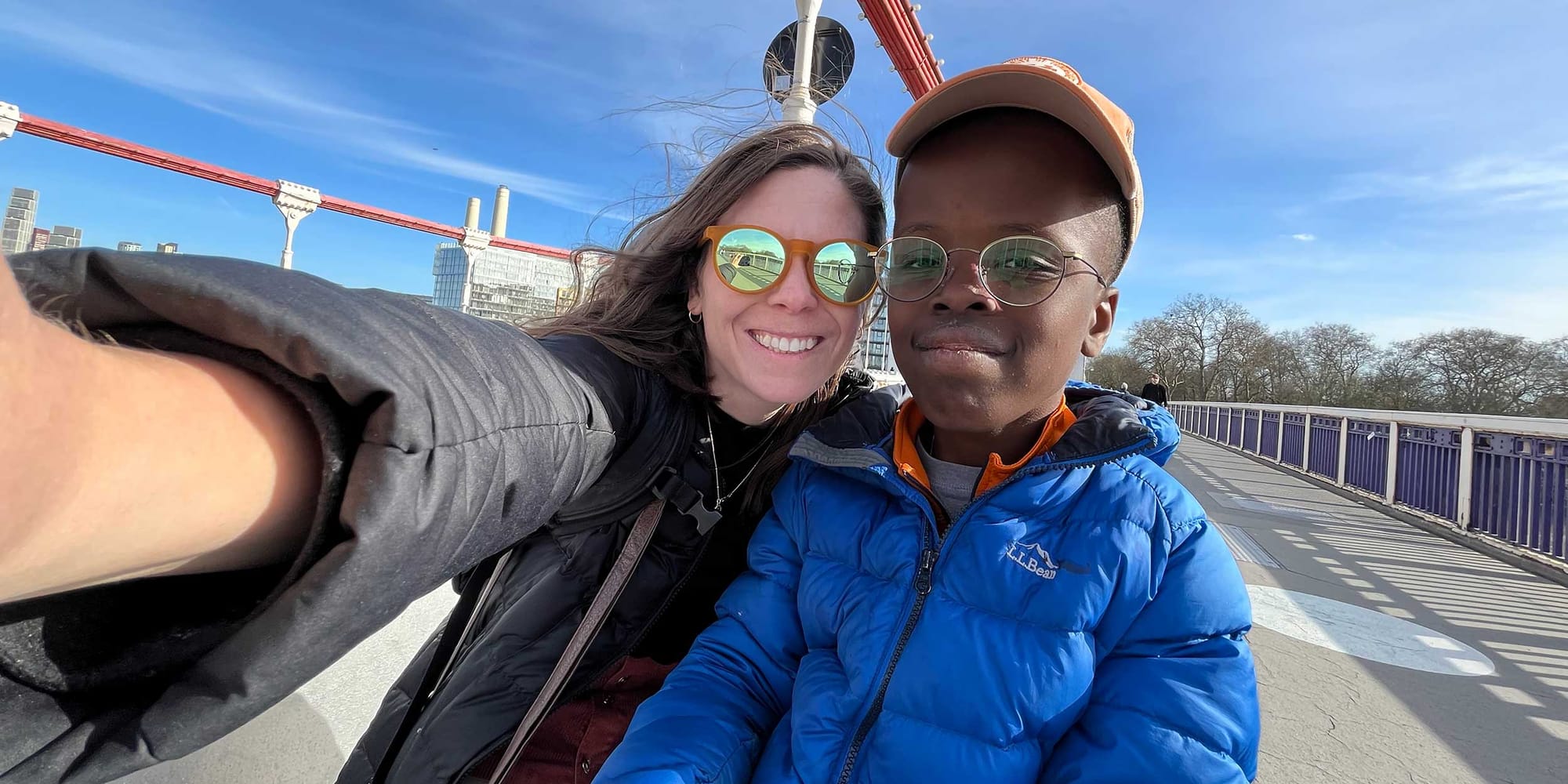
I had a conversation with John about gratitude for reasonable accommodations and, since we are raising a 13-year-old who uses a wheelchair some of the time, the conversation quickly turned to what we should model for Robert. We are grateful that the world is becoming more accessible, but we want to respond to the reasonable accommodations that provide access in an appropriate way. We want our son to be a kind soul, but also unafraid to advocate for his rights, one of which is equal access.
I can’t tell you the number of times we've been told, “well at least…”
at least there’s a ramp.
at least they let you come.
at least you can get on the plane.
at least you can see the castle from the outside.
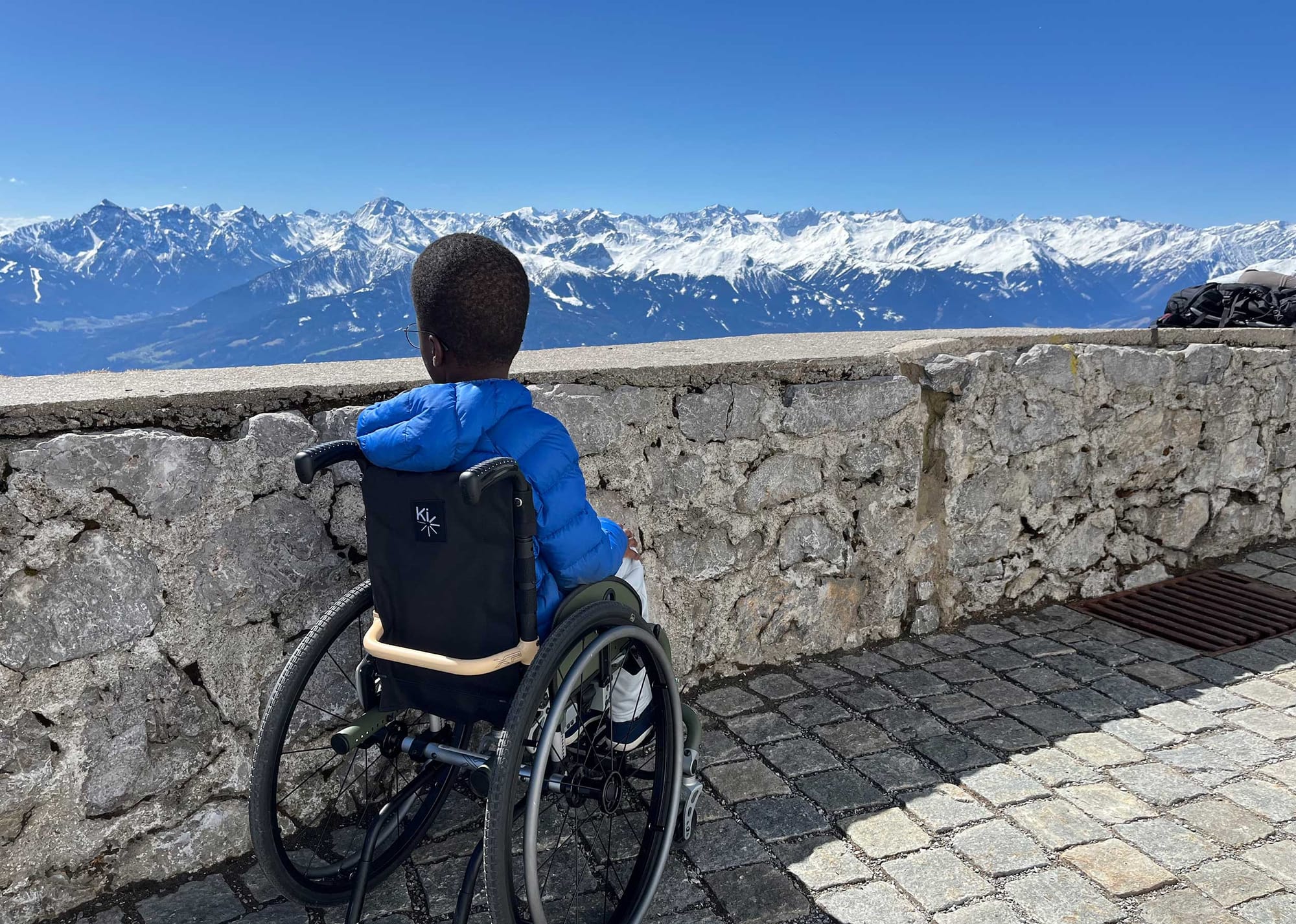
at least you can ride the cable car (even though you can’t access anything at the summit).
At least. At least. At least.
It’s one of the most infuriating responses when we raise concerns about accessibility. People want to focus on the positive aspects only, but partial accessibility is still inaccessibility! Where equal access does genuinely exist, people desire credit and they expect us to say something like, “Absolutely! Thank you so much for that ramp!” I get it…kinda.
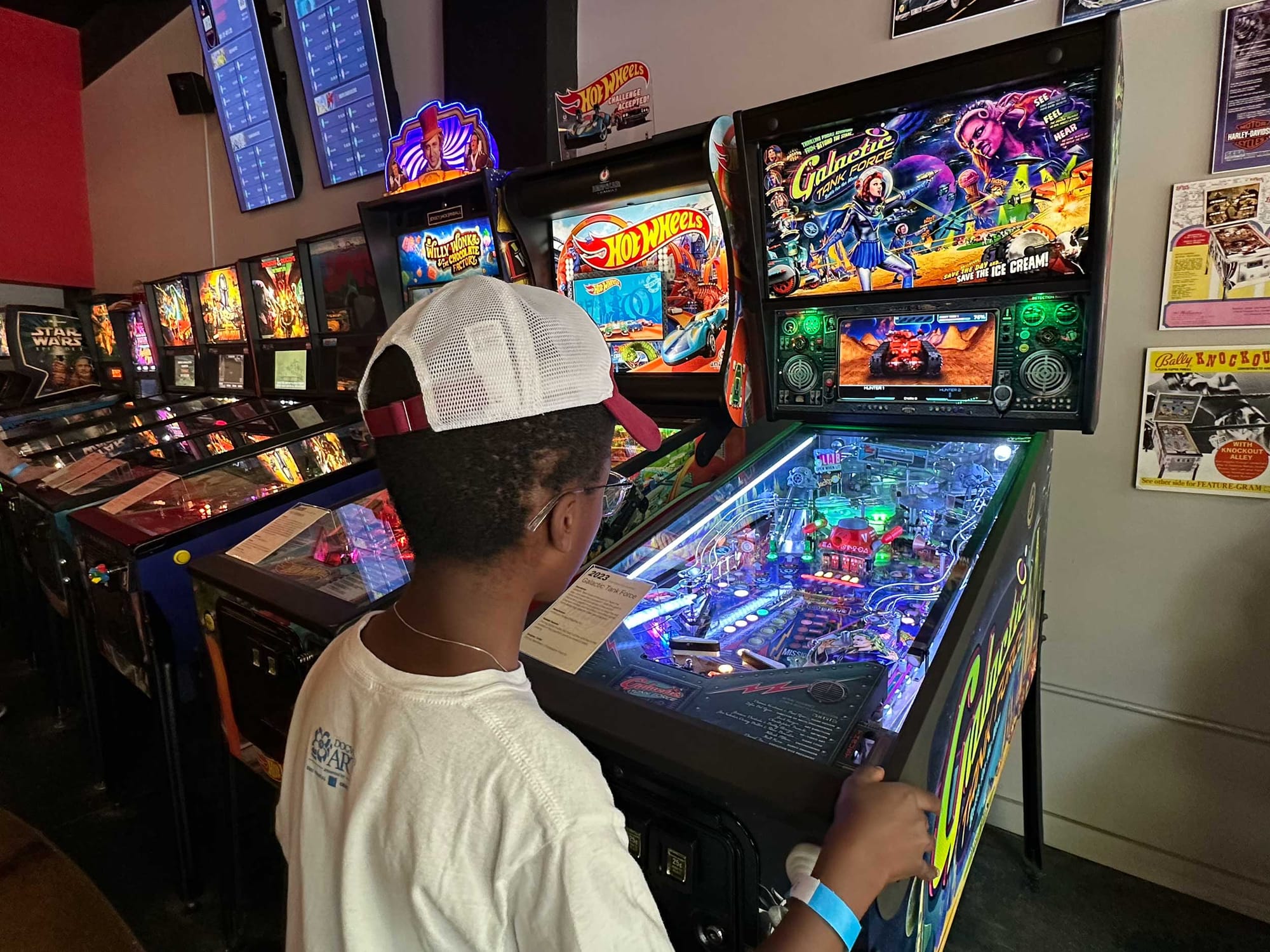
We are thankful to access the places we’ve visited, but not in the way people expect. Do we end up thanking people for their work and efforts? Yes. Do we recognize that finding accessible spaces is a blessing? Also, yes. But we simultaneously recognize that being grateful for equal access is like being grateful for freedom of speech, education, voting in elections, and many other rights. I am not going to put the weight of people-pleasing gratitude on Robert’s shoulders; he does not have to thank people and businesses for the reasonable accommodations that allow him to participate in our communities like other children.
Admittedly, I haven’t always had such clarity on this. I was raised in a family which was very good at making-do with what we had. We were determined, scrappy, creative, and persistent. I felt like my parents could MacGyver most anything, and I’m proud of the grit I inherited. The downside, however, is that I can feel uncomfortable asking for something to be changed to meet my needs. I won’t totally throw my parents under the bus though – my dad will send back a wrongly ordered meal in a flash, much to my embarrassment. I, on the other hand, will suffer through eating rubbery eggplant and insist that “I now have an opportunity to improve my tastebuds.” It’s part in my blood and part personality.
Would you like to receive more articles like this one? Support our work to advocate for a more accessible world by upgrading your membership and you'll receive access to the web's largest collection of accessible travel content, along with stories from our family adventures.
Working through my own personal discomfort asking for things is tricky because I do want to raise Robert with the same ability to work with what he’s been given. I of course want him to learn gratitude. There’s a difference that needs to be pointed out though. Sending food back and basic access are not even in the same playing field. I've learned to mentally and emotionally differentiate between my experience with asking for things to change compared to asking for and expecting accommodations. If I ever ask for something, it’s usually a comfort or convenience that I can unreservedly respond “thank you.” For Robert, though, asking for equal access is a social justice or civil rights concern. Speaking up for him (or teaching him to speak up) is a necessity, and requiring thanks would imply that it is something extra.
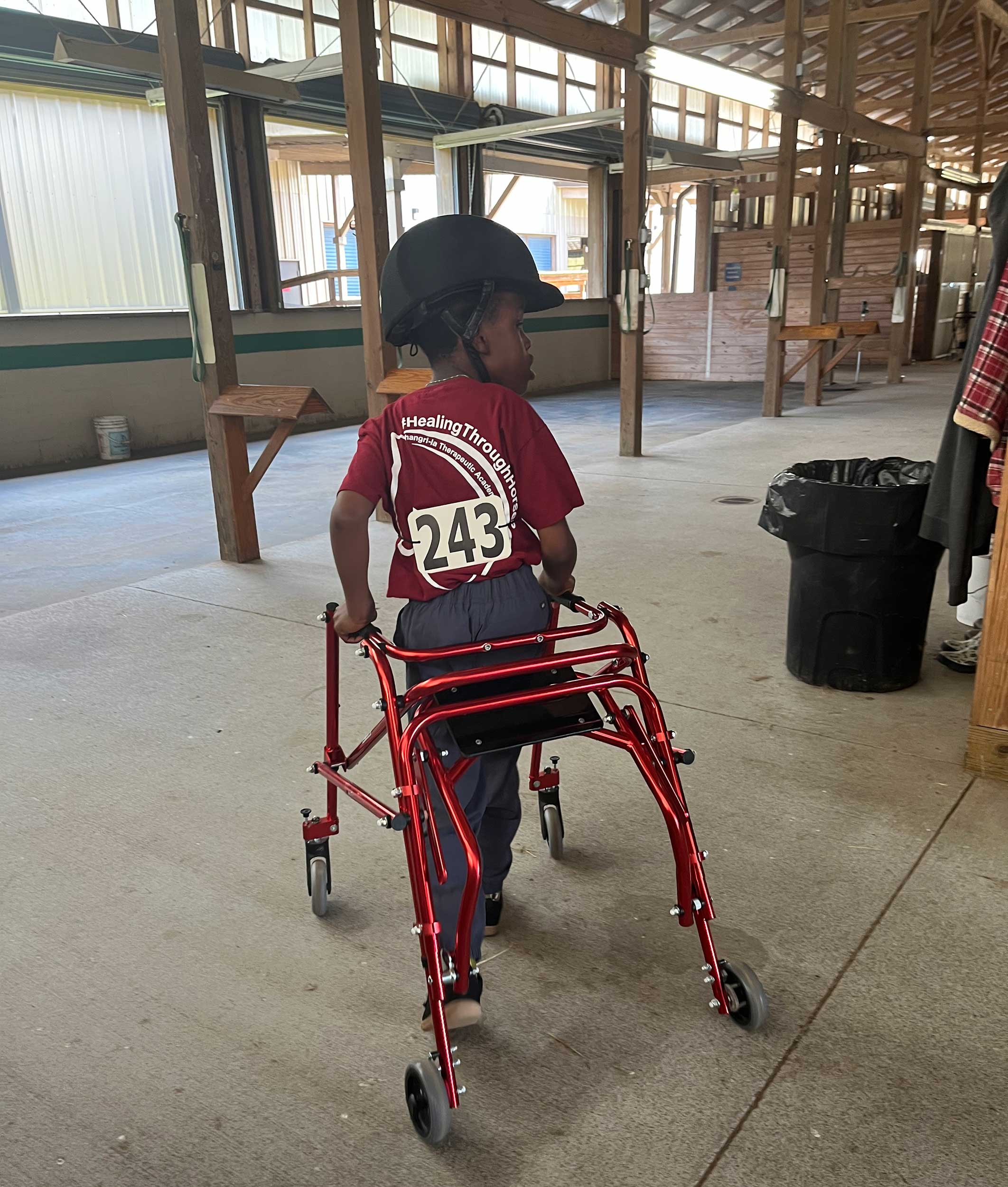
I once received an email in response to a meeting I requested about accommodations which expressed this viewpoint nearly exactly. It included something about not being able to have children with “special needs” as campers because of the extra time and work it could take. In turn, I responded with something including the line "actually, my special need would be if you could cater coffee and donuts for the parents during drop-off." That sounds like something a bit more extra, right? 😏 I’m not sure if the director found my snarky remark as funny as I did, but it did lead to a great meeting and receptivity of their staff. I would be remiss if I didn't say that Robert has since attended two summer camps there, and we have a great relationship in improving their understanding of disability and creating an accessible environment.
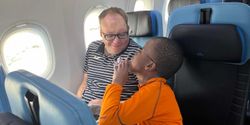
This mentality of access being extra is the pervasive, widespread cause of why many expect disabled kids to say “thank you” for any and every accessible accommodation. Many situations evoke this attitude, but few showcase it in such obvious display as travel. From the moment Robert rolls up to security to getting his wheelchair returned in the jet bridge, I can almost feel the expectations for our gratitude tangibly. The return of his wheelchair is one task that airlines definitely treat as extra – but we don’t see it as a favor. He simply needs to exit the aircraft like any other passenger, so it makes logical sense that airlines would be responsible for returning the wheelchair to the airplane door. It's also part of federal disability rights law and is a civil right per the Air Carrier Access Act.
Even though we impress the importance of equal access to Robert, and he has a fairly grounded understanding of what this means in his everyday life, we are continually encountering new situations in travel where he must adapt and work to apply his belief in new ways.
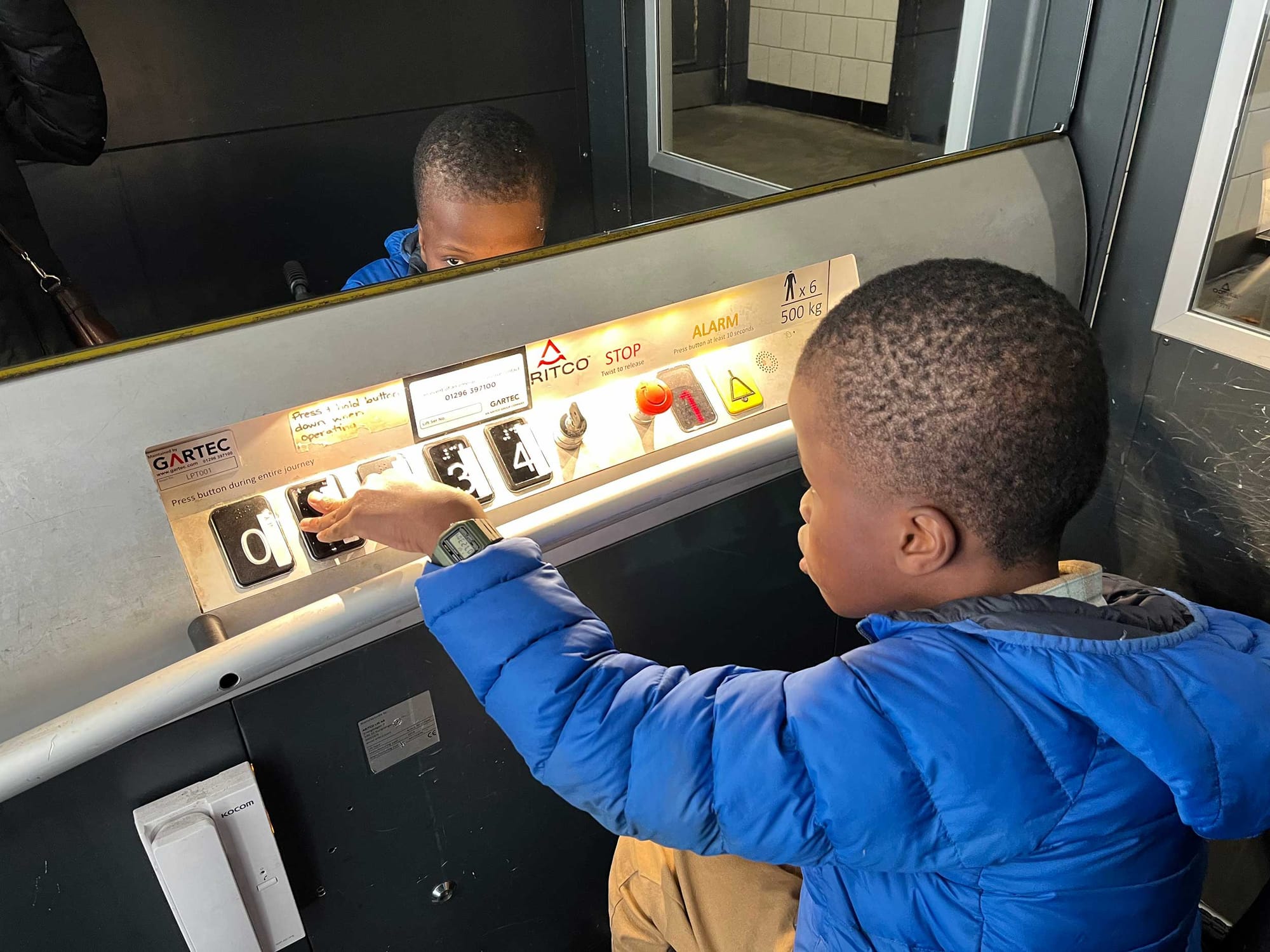
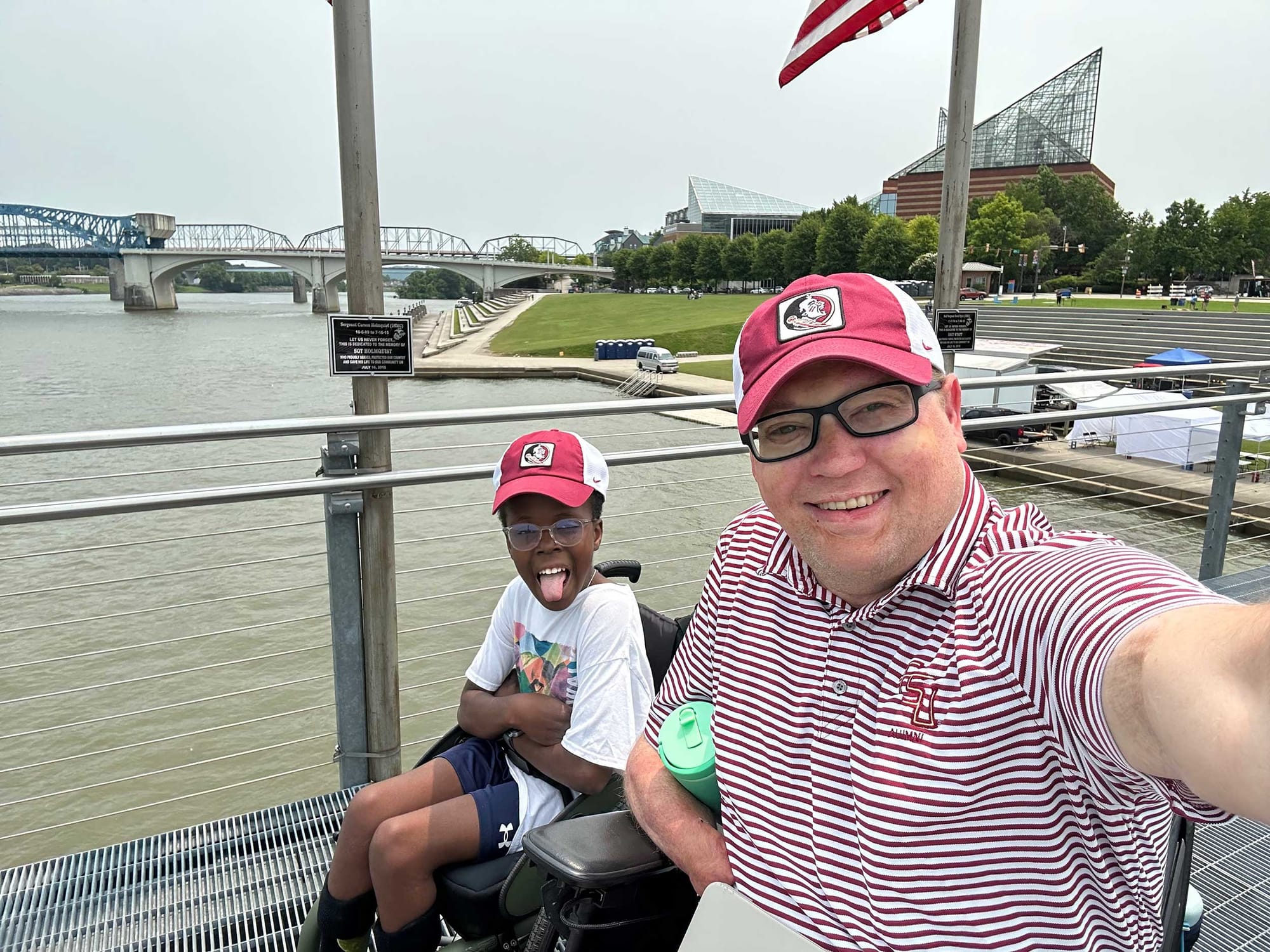
On a recent work trip to Chattanooga, I sent Robert and John off for a boys' day while I attended a workshop. Robert, in true Gen Alpha form, decided to create a vlog of the day to share with me. This means I was privy to the exact ways in which he and John responded to everything they encountered. In one of our family-favorite clips from the video, I can see Robert roll into an old, faded lift as John’s voice tells him they will meet at the bottom (it’s only large enough for one wheelchair user). I also see the black shoes and timid hand of the operator reach over Robert to push the down button, as Robert loudly expresses his frustration – a few curse words included – about the situation. The operator was likely surprised and assumed that Robert was being rude or ungrateful. Robert, however, was put-off by the fact that he had to wait for a special operator when everyone else could simply enter the store as they pleased and that he had to be separated from John.
This experience begged the question, how do we navigate the gap between expecting accessibility but also understand people must be taught to recognize the underlying mentalities that create barriers for disabled people? And what can we do to push back against these belief systems without being rude?
Here is an example of an email (partially redacted for privacy) that I sent to Robert’s music school when I first started being intentional about how I said “thank you” for accessibility.
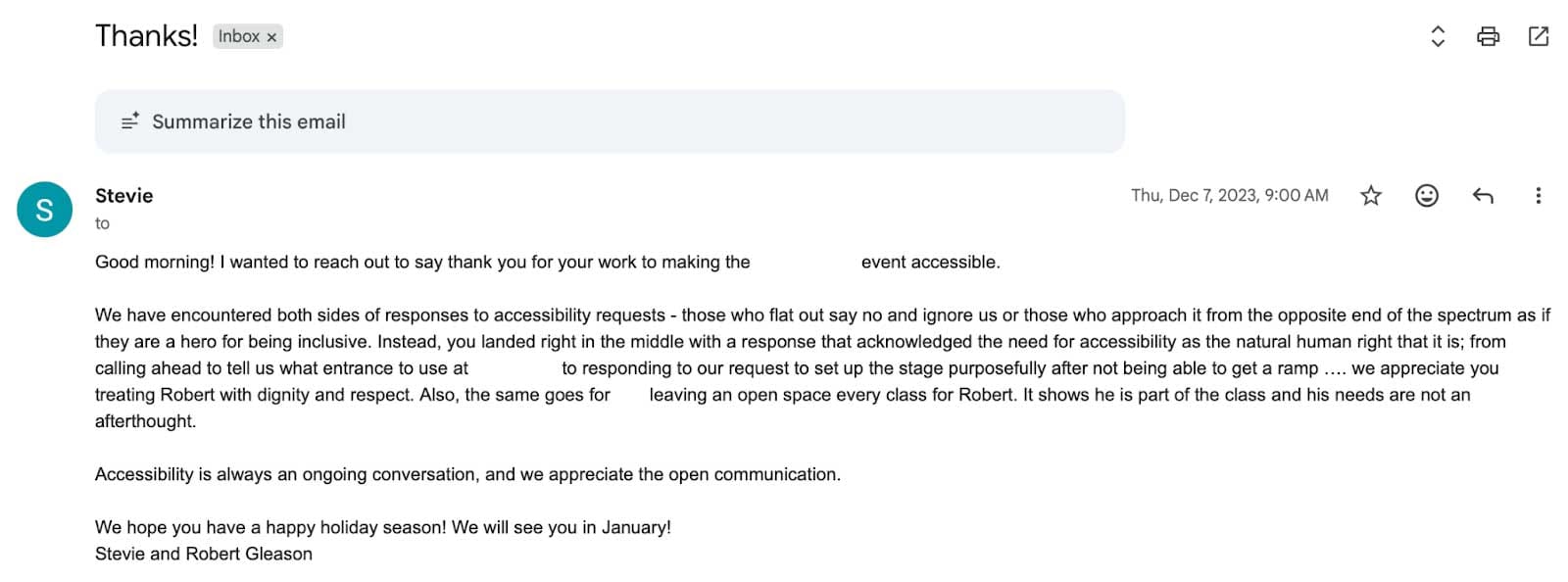
I don’t always write emails like this, but sometimes I do. It is important to acknowledge that people's real work and effort towards access is appreciated but state why it is meaningful. If we can model this approach to our kids and coach them to do the same, we can avoid the burden complex that comes with requiring a “thank you” for every instance of equal access. After all, disabled kids deserve to travel, explore, learn, and experience the world just as much as their non-disabled peers, and they deserve to know that.
This value is precisely why you won't find "thank you" articles or awards for accessibility here at Wheelchair Travel. John and I care about properly placing gratitude but not providing over-the-top applause to employees and businesses that help travelers overcome the exact barriers their own organizations created. Accessibility is table stakes, a minimum requirement. Here, you can expect us to share information about actual accessibility, not simply recognition. It's time that the industry recognize they are not owed anything for being accessible — not even a "thank you."