
On this page
Introduction to Wheelchair Accessible Wuppertal
Tucked into a narrow river valley in North Rhine-Westphalia, Wuppertal is an industrial city with a singular claim to fame: the Schwebebahn, a suspension railway that has carried passengers above the Wupper River since 1901. The city was born of a merger between the former industrial towns of Elberfeld and Barmen, and its rich history — from the textile mills that shaped philosopher Friedrich Engels to a world-class art collection — rewards visitors who make the short trip from Düsseldorf or Cologne. With this wheelchair accessible travel guide to Wuppertal, Germany, you can explore one of the country's most interesting cities with confidence.
Attractions & Sights – Wheelchair Accessible Things to Do in Wuppertal, Germany
Wuppertal stretches for miles along the Wupper Valley, and its attractions are spread between the Elberfeld and Barmen city centers and the hillsides above them. Thankfully, the Schwebebahn links nearly all of them. The museums in the valley are largely accessible, while the parks and gardens on the slopes are accessible only in part.
Wuppertal Schwebebahn (Suspension Railway)
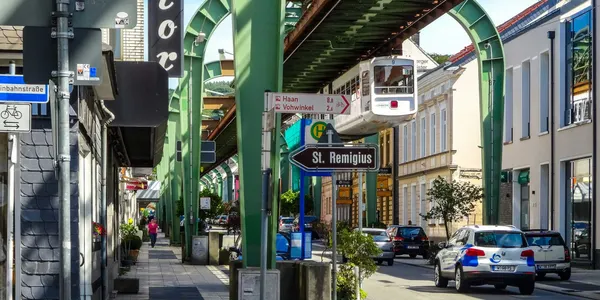
The Schwebebahn is not merely a way to get around Wuppertal — it is the city's main attraction. Regular passenger service began on March 1, 1901, making it the oldest electric suspension railway in the world still in operation, and the city celebrated its 125th anniversary in 2026. The line runs 8.3 miles (13.3 kilometers) between Vohwinkel in the west and Oberbarmen in the east, hanging roughly 39 feet (12 meters) above the Wupper River for most of its length.
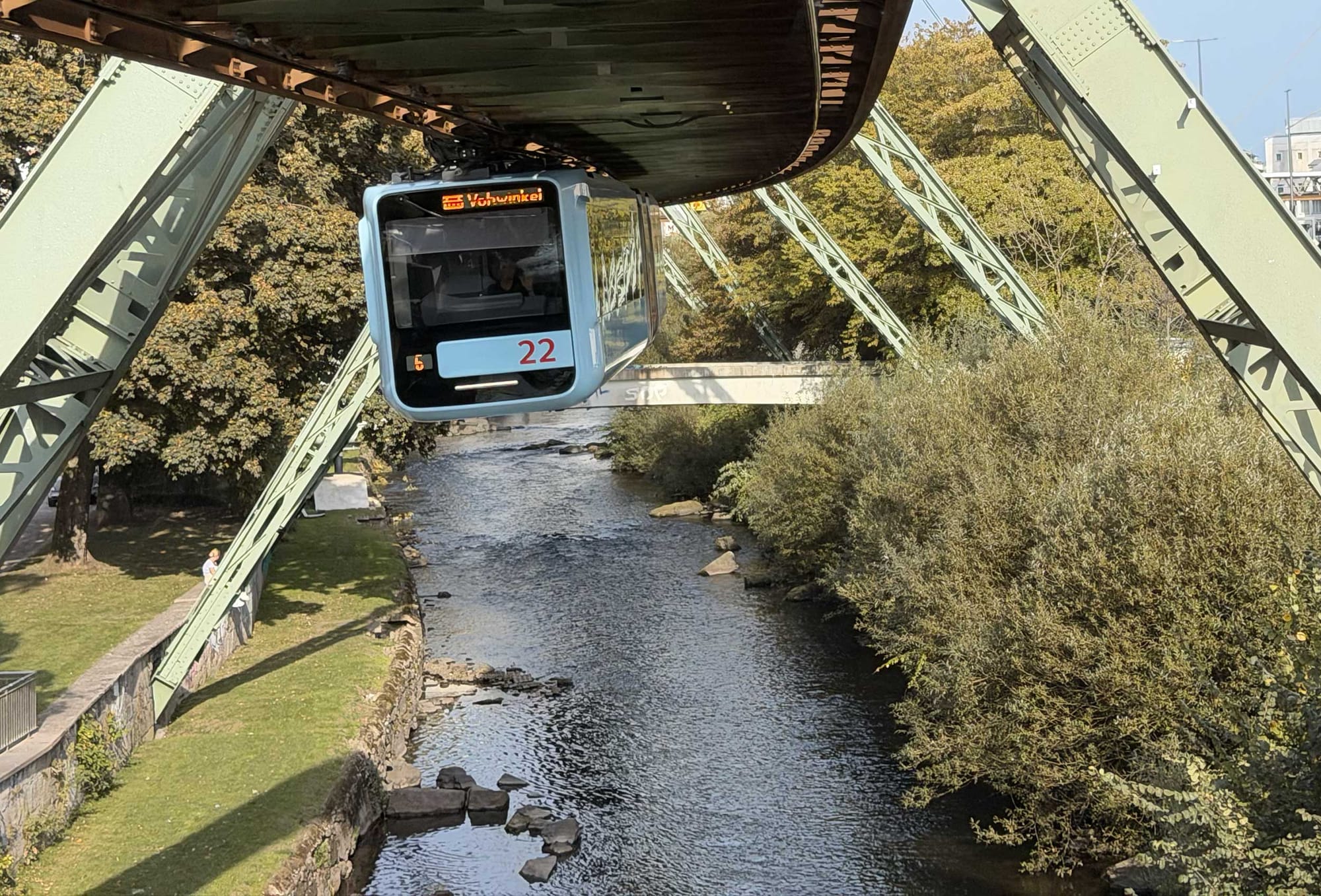
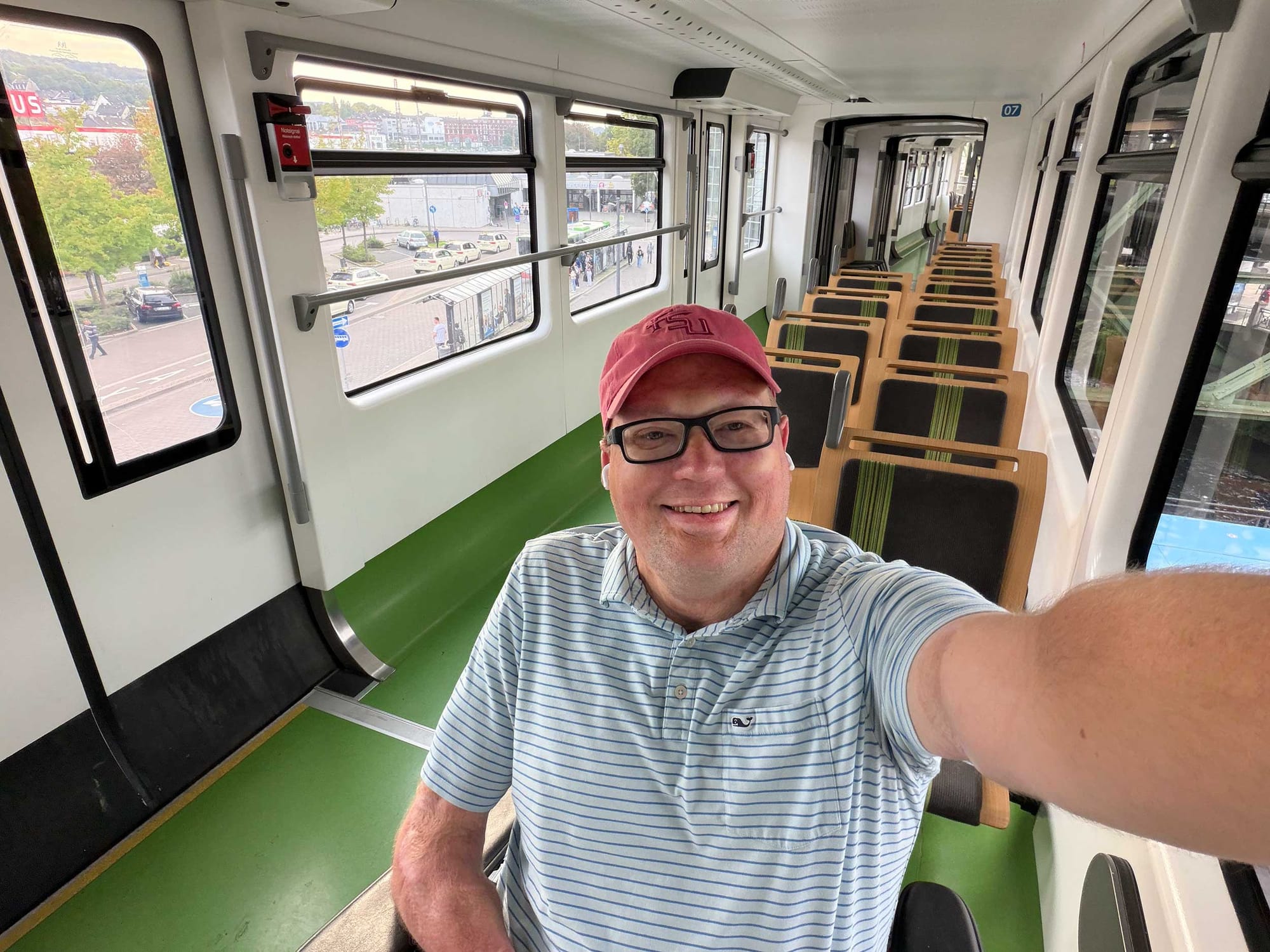
Riding the full line takes about 30 minutes and is the best way to understand the city's geography. I rode it end-to-end, 60 minutes total, and enjoyed the views of the city and river. A standard public transit fare covers the Schwebebahn, and riding is free with a same-day ticket to the Zoo. The Schwebebahn is fully integrated into the accessible transit network, and I have described boarding procedures for wheelchair users in the public transportation section below. For more information, visit the official Schwebebahn website.
Schwebodrom Museum
The Schwebodrom is an experience museum dedicated to the history of the suspension railway, located near the Werther Brücke station in Barmen.
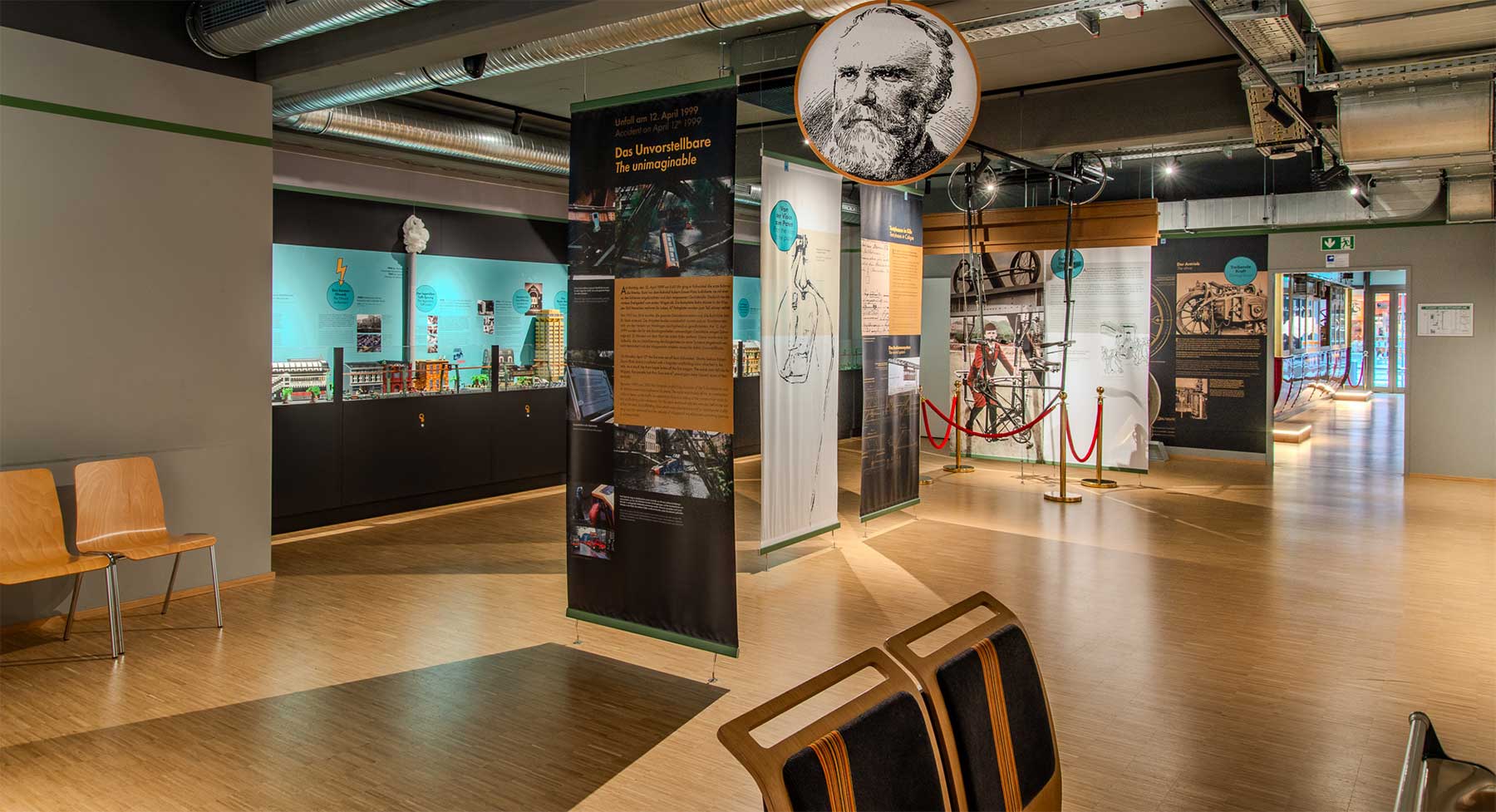
The roughly 45-minute visit features a light-and-sound projection room on 19th century mobility, an exhibition of historical objects (including the story of Tuffi, the circus elephant who miraculously survived jumping from a Schwebebahn car in 1950), and a virtual reality ride through the Wuppertal of 1929, taken while seated in an original railway car (the car is not wheelchair accessible, however the VR headset can still be worn).
Admission is €19.50 EUR for adults and €15.50 EUR for disabled visitors, and booking a timed ticket online is recommended. For more information, visit the Schwebodrom website.
Der Grüne Zoo Wuppertal
Founded in 1881, Wuppertal's "Green Zoo" is one of the oldest zoos in Germany and is unusual for its landscaped, hillside setting, which has earned it a spot in the European Garden Heritage Network. It is far and away one of my favorite zoos in the world — the peaceful atmosphere and natural beauty of the surrounding landscape is unmatched. Highlights include a breeding herd of African elephants, an incredibly active colony of penguins and the truly exceptional Aralandia free-flight aviary.
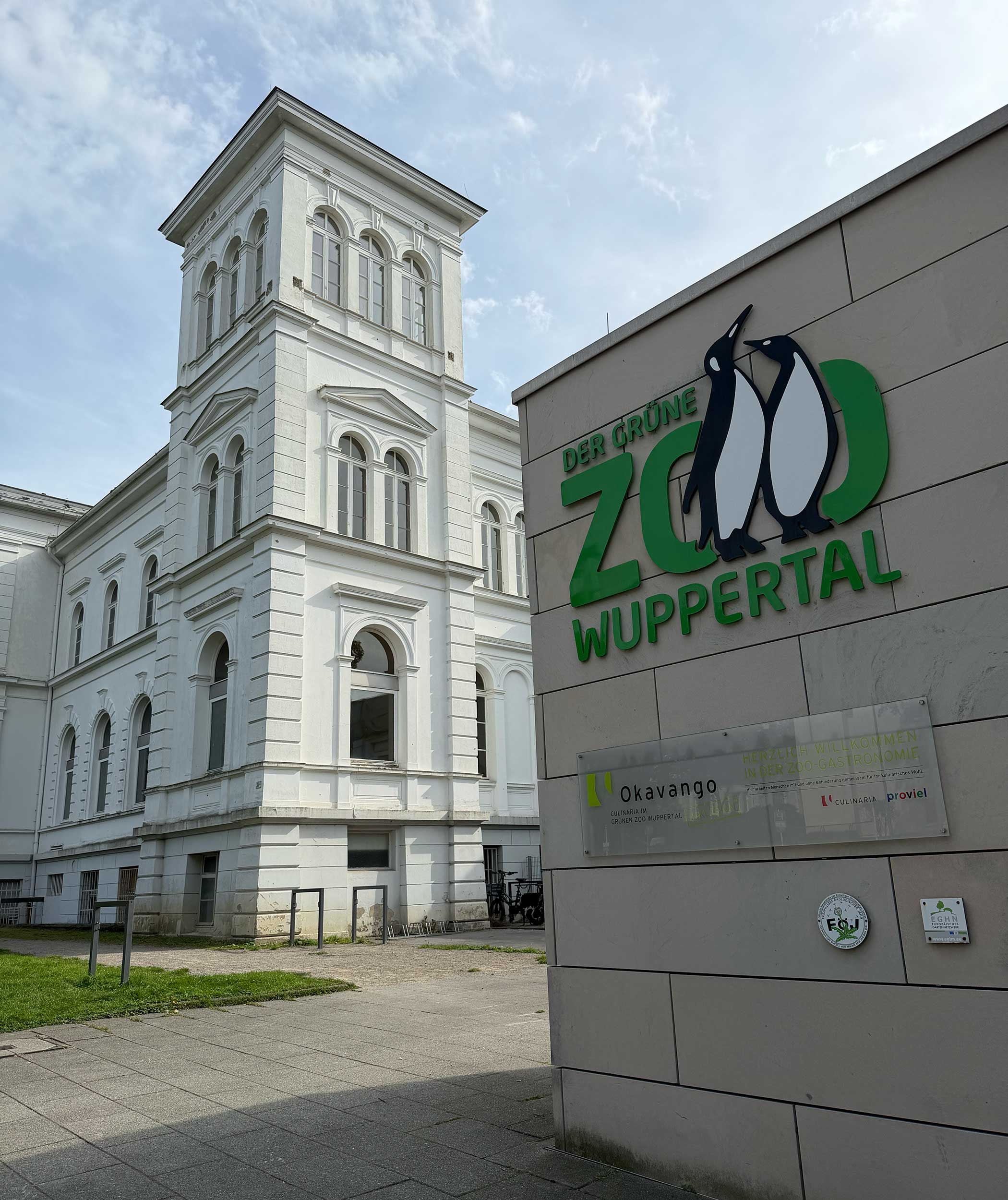
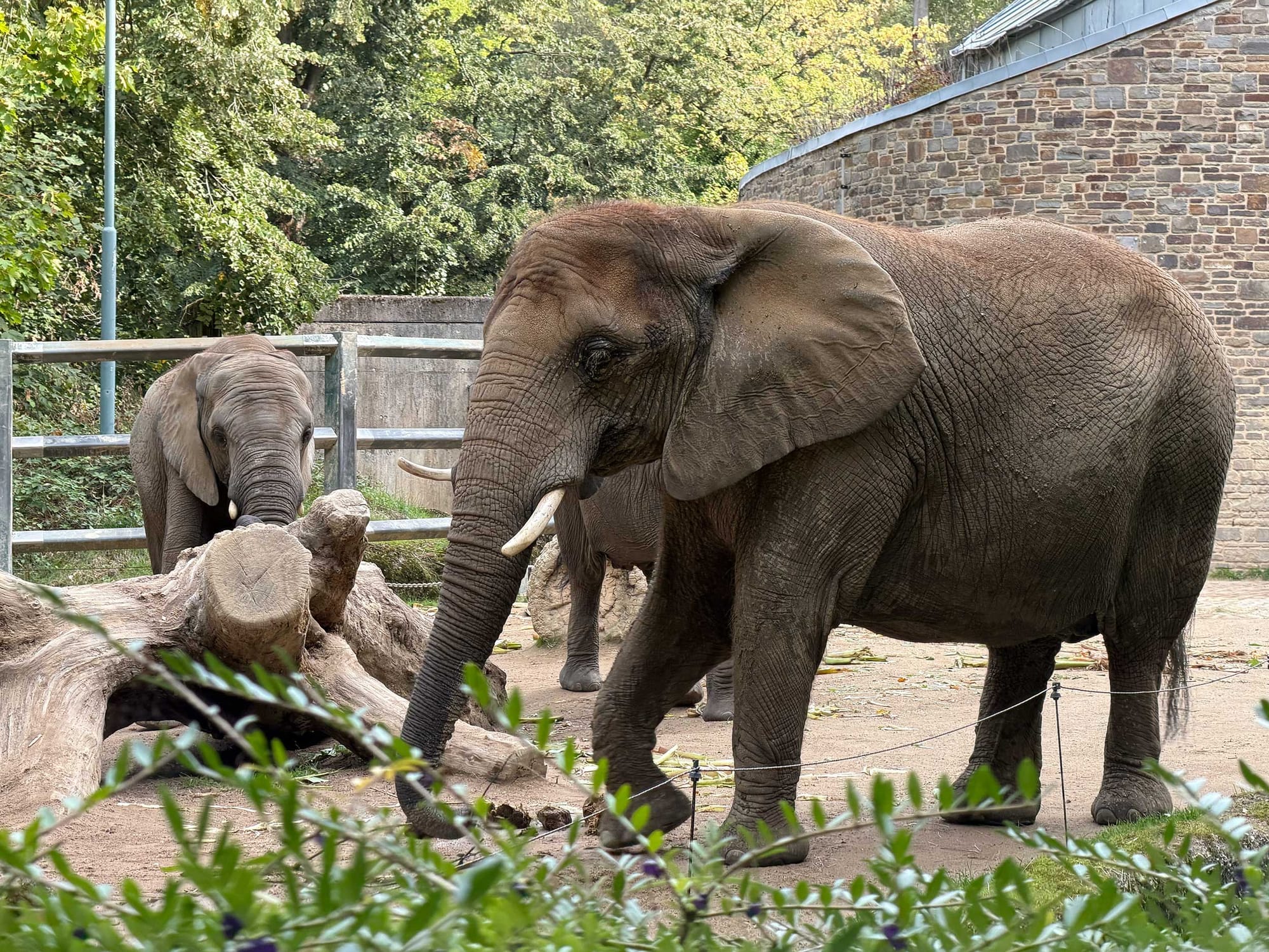
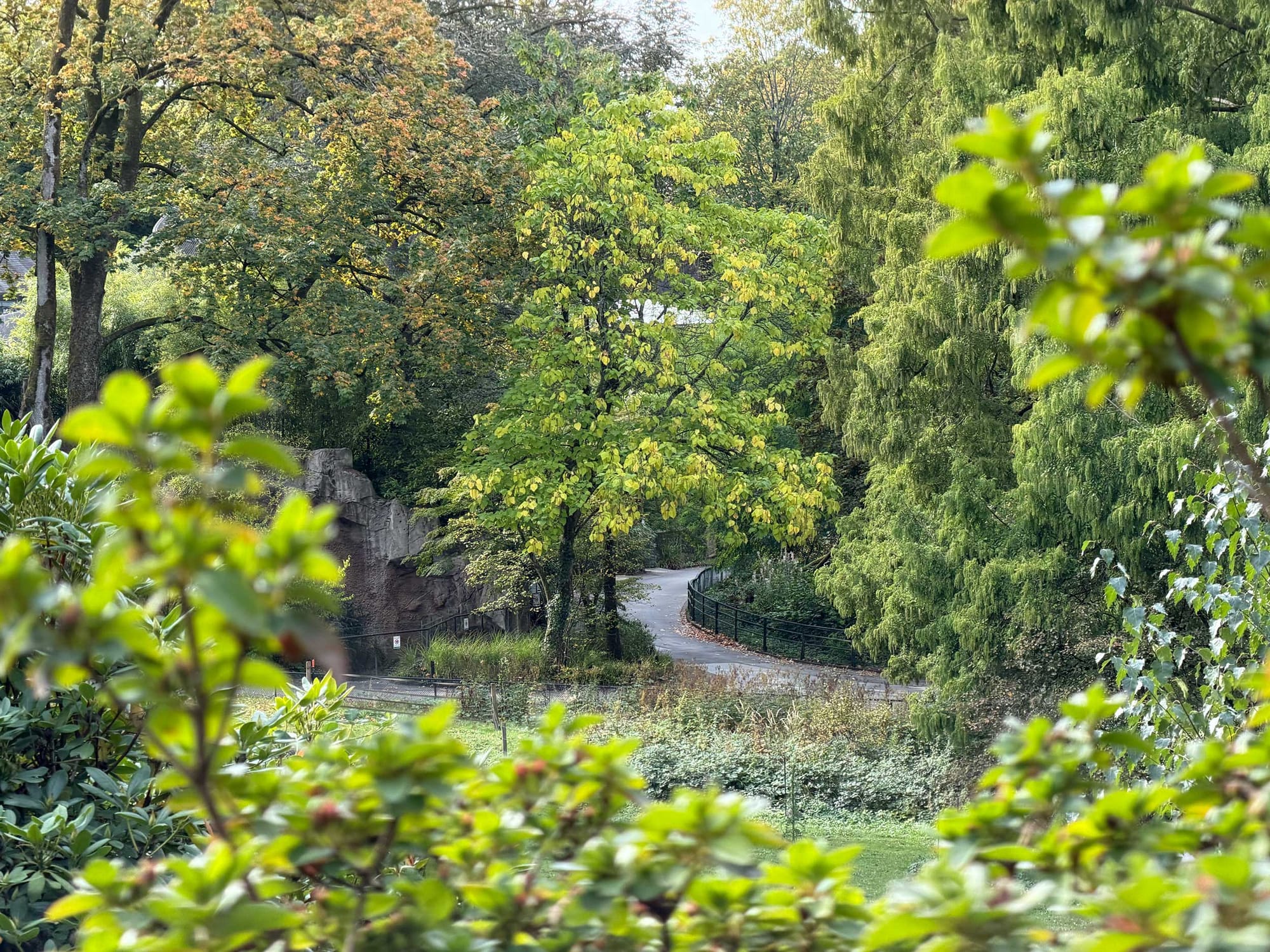
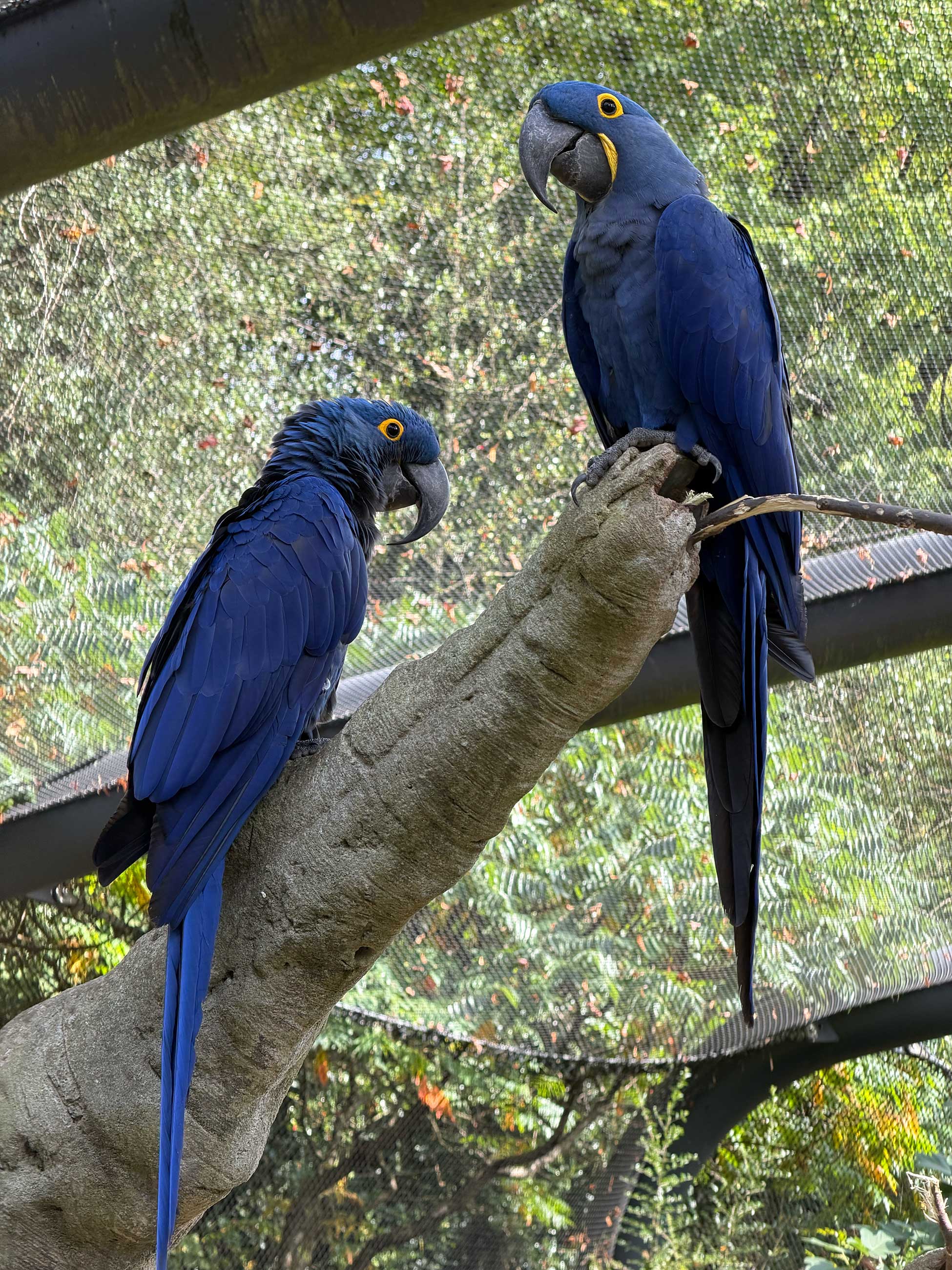
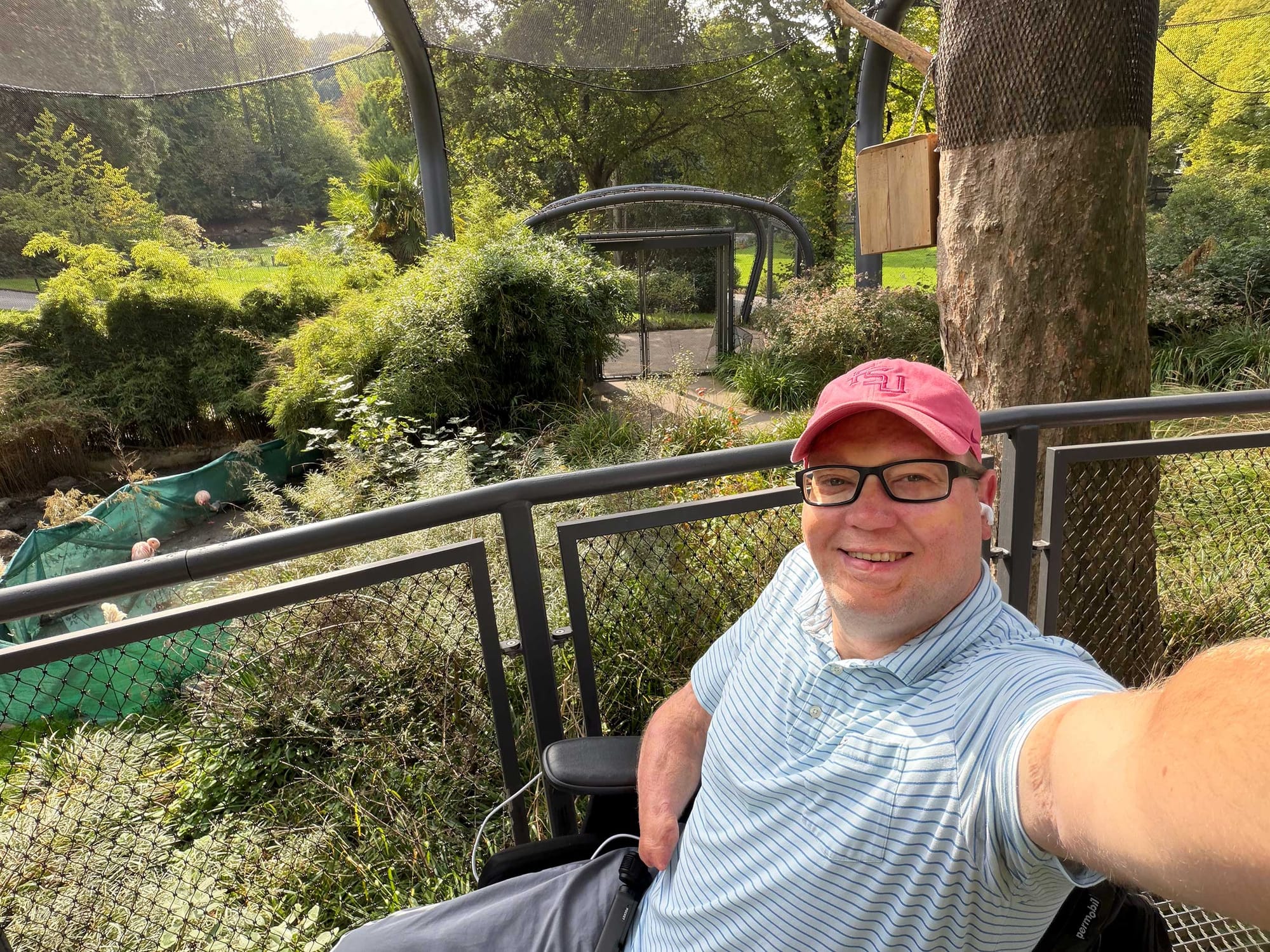
The zoo grounds sit on a slope, and paths climb and descend throughout — manual wheelchair users will need assistance in several areas, but my power wheelchair managed without issue. Some viewpoints, including areas of the expansive big cat enclosures, cannot be reached by wheelchair.
Adult admission is €20 EUR. The zoo has its own Schwebebahn station (Zoo/Stadion), and the Wuppertal Zoologischer Garten S-Bahn station is also nearby. For more information, visit the Wuppertal Zoo website.