Imagine having to buy five airplane seats every time you fly, even if you want to travel alone. That's the case for Wheelchair Travel reader Nolan Kashat, who reached out to share his unique story with me last year.
I asked him a few questions over email, and you can read his responses here:
Who are you? What is your connection to the disability community?
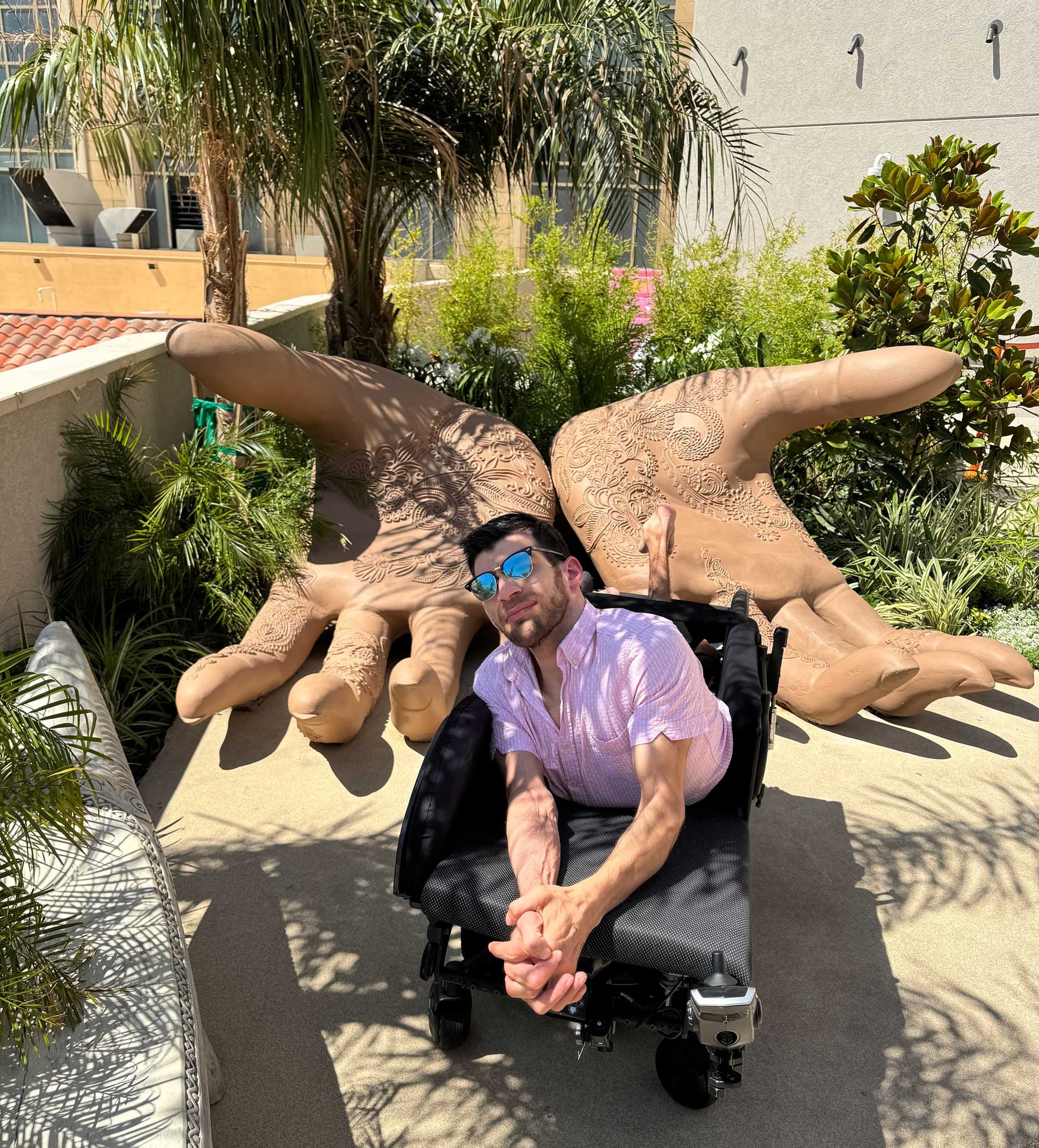
I am Nolan Kashat. I have a neurological disorder called Dystonia which causes involuntary movements and muscle spasms. My condition quickly progressed and I was bedridden at the age of 9. I had my ups and downs along the way and I have faced many limitations since 2008 due to not being able to sit upright. I’ve been trying to figure out ways to do more in life, and traveling is one of them. When anyone sees me and has questions about how I get around, I always do my best to explain and give information on what I’ve done to get to where I am.
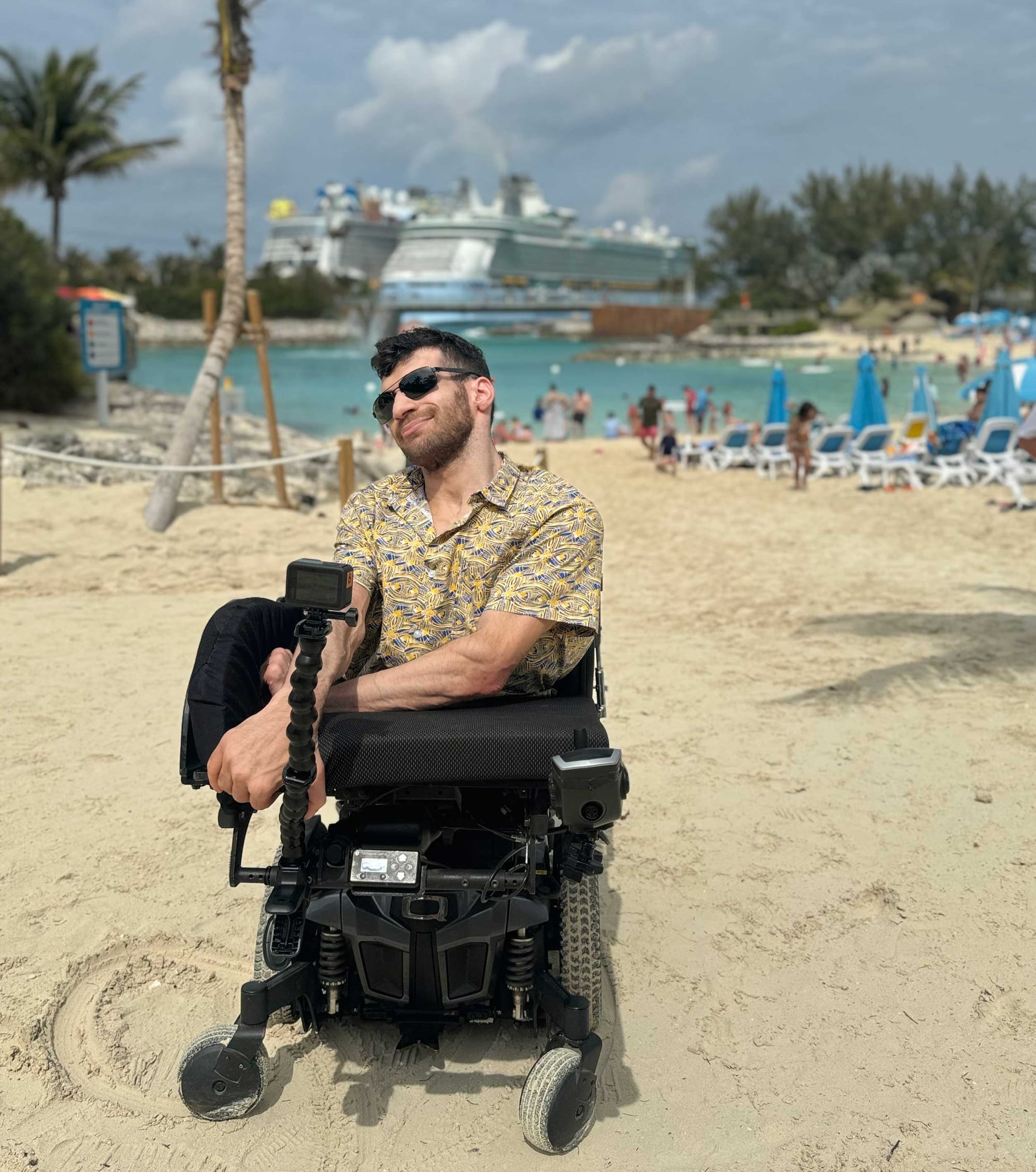
What are some of the challenges that have prevented you from traveling?
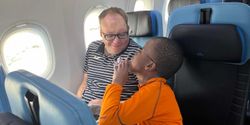
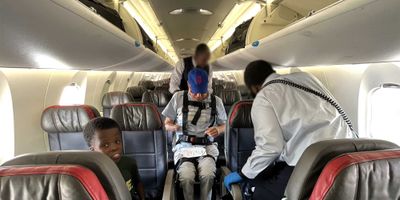
Up until just recently, I wasn’t allowed on a plane without being able to sit up. Since that’s not possible for me, the airline has made accommodations for me to lay down in a row of three seats with my seatbelt fastened. However, the airlines are forcing me to have two people to carry me on the plane. It is very difficult to find two people to accompany me on every trip I’d like to go on. Given that I can advocate for myself and have use of my upper body strength, I don’t believe that I should be forced to bring two people with me on every trip I take. This makes it much more difficult for me to travel by air.
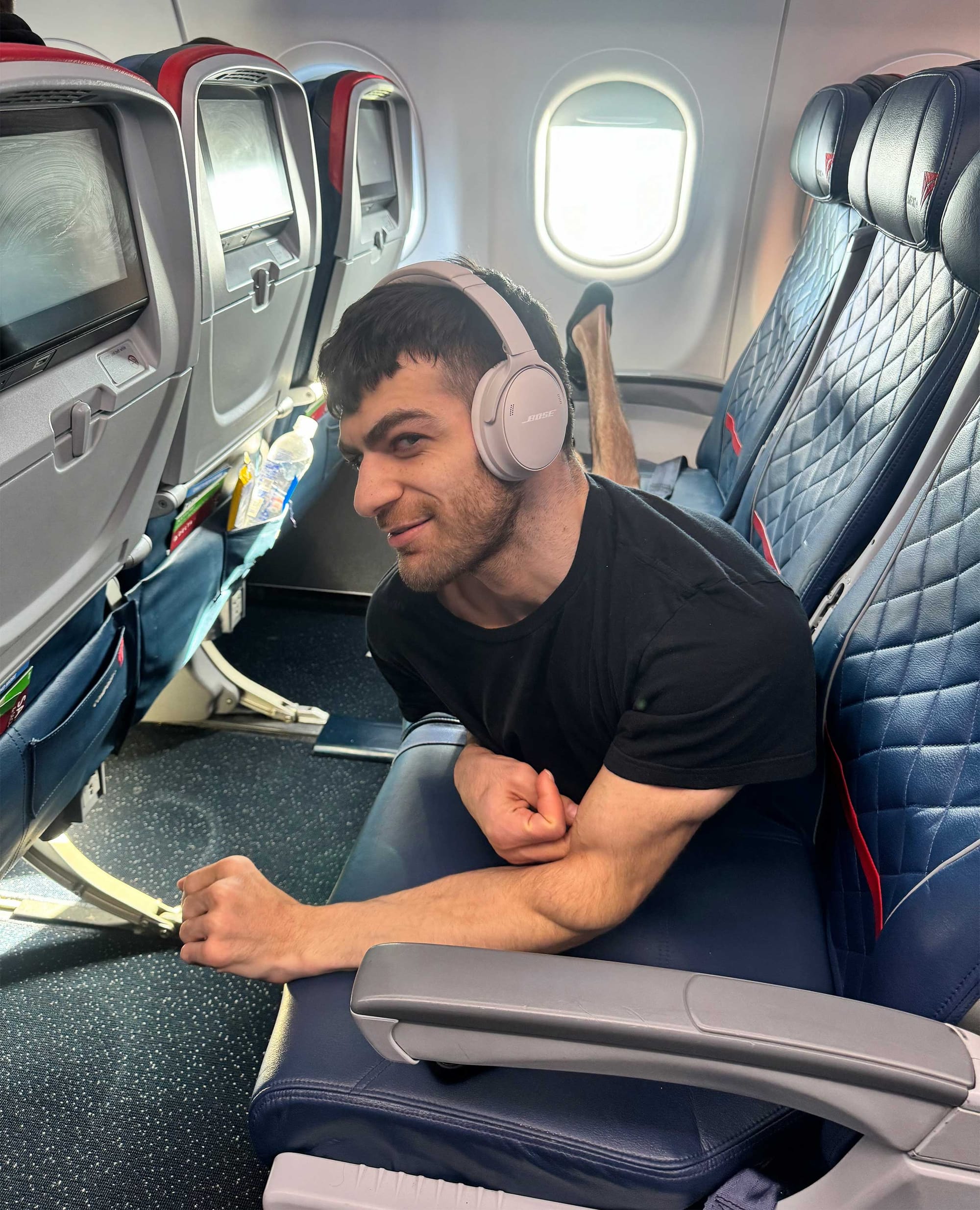
In our earlier conversation, you mentioned that you have flown with Delta Air Lines. How did Delta come to accommodate you, and what does that accommodation look like? What trips have you taken as a result?
Delta has agreed to allow me to go on flights as long as I have purchased three seats and have my seatbelt fastened during takeoff and landing. So far, I’ve been on a Caribbean cruise — I never thought I’d get to travel outside of the country! It was an amazing first trip with amazing people that made it happen. I got to see the crystal clear water of the Bahamas. I had a lot of fun on the cruise, and it was overall a great trip for my first time traveling in over 10 years.
The year after, I took a trip with family to Florida. We had a good time and I got to see a different environment in a different place that I haven’t seen before. My last trip was to Las Vegas. We tried to go a couple years ago before I had access to flights but couldn’t find a way to make it there to celebrate my 30th birthday. So, we finally made it out to Vegas and had a great time there. I plan on going back soon!
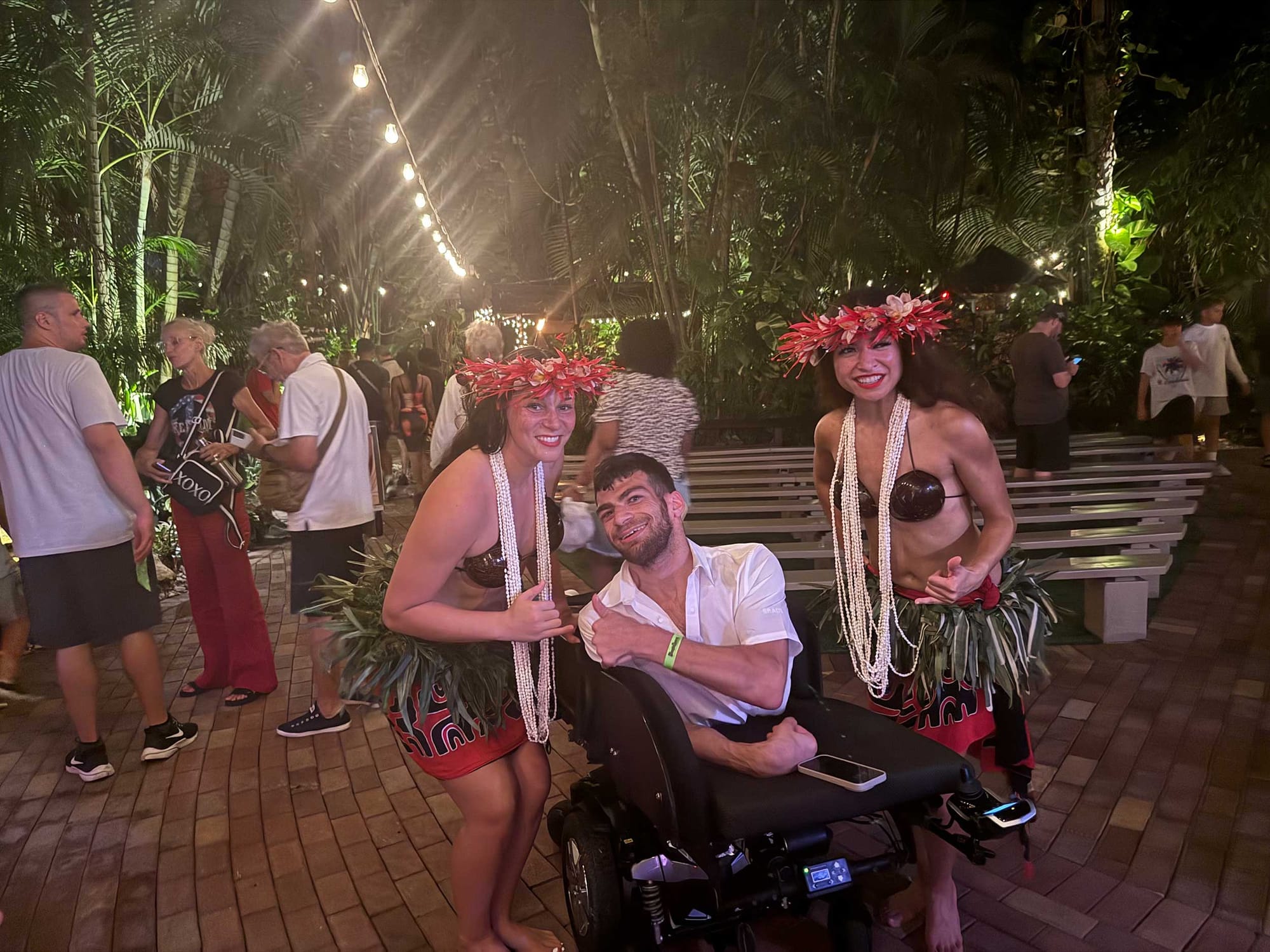
What you would like to see? How can other airlines accommodate you? What can airlines do to make travel more affordable? What would you like to see with wheelchair securement spaces?
I’d like to see the airlines charge me for 1 seat instead of 3; it’s not fair since I can’t sit up due to my disability. I would like to be allowed to travel either by myself or with the help of one person only, depending on what’s necessary at that time, and not be forced to have two people accompany me on the trips I want to take.
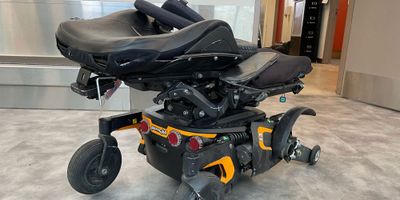
This will give me more freedom to travel and get to experience more of what life has to offer, and experience more of what I haven’t had the chance to do yet. It will also allow me to travel for future business opportunities. Ultimately, I’d like for the airlines to secure my custom-made wheelchair (it is a Quantum Edge that lays flat and is 5 feet in length) in the aircraft cabin. This would be safer for both my wheelchair and myself and also prevent the risk of damage to the wheelchair. It would be a lot easier and more comfortable as well.
Is there anything else you would like to share with the community or with airline executives?
I collect frequent flyer points like other travelers, but cannot use them in the same way. I would like to be able to buy my airline ticket using points or via third-party booking websites so that I can find the best price and make travel more affordable.
My thoughts on Nolan's situation
Airplane cabins, bathrooms and seats are designed for the average traveler, but they are inaccessible to some, with the disability community facing significant accessibility barriers. These inaccessible environments and features are discriminatory and violate the spirit of the Air Carrier Access Act of 1986, which stated that "No air carrier may discriminate against any otherwise qualified handicapped individual, by reason of such handicap, in the provision of air transportation." Yes, that language is outdated, but Congress sought to eliminate the barriers that prevent disabled people from traveling by air.
The promulgation of regulations to bar airlines from discriminating against disabled air travelers was left to the Department of Transportation, but those regulations have never gone far enough. The fact that a Greyhound bus or an Amtrak train can accommodate power wheelchair users and travelers like Nolan, but an airplane cannot, is a failure in policy that must be corrected.
 John Morris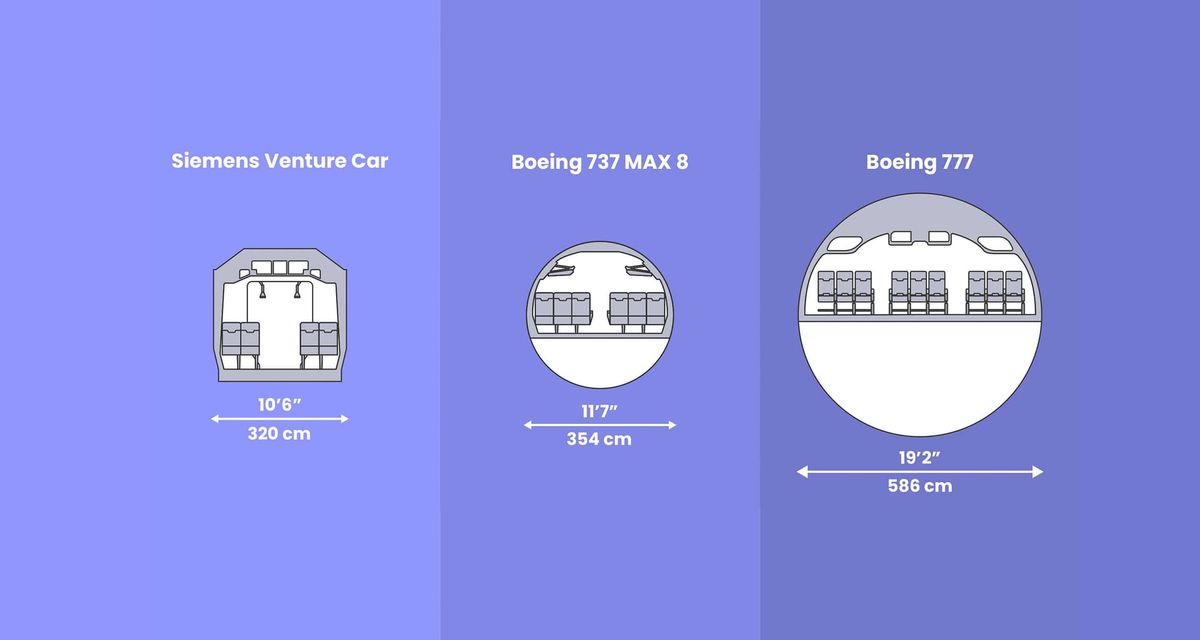
Nolan requires additional space onboard the aircraft due to his disability and through no fault of his own. Unfortunately, the DOT's regulations state that airlines "may charge a passenger for the use of more than one seat if the passenger's size or condition (e.g., use of a stretcher) causes him or her to occupy the space of more than one seat." In the case of Nolan, who is an otherwise capable traveler, the regulation falls short of protecting him from the discrimination that Congress sought to outlaw.
While the regulations seem to permit carriers to charge Nolan for the seats he occupies, airlines should not be able to require that he travel with care assistants. Carriers are obligated to provide boarding assistance under 14 CFR 382.95 and can only require care assistants as per 14 CFR 382.29 (b), which requires that the passenger be (1) traveling in a stretcher or incubator; (2) unable to comprehend safety instructions due to a mental disability; (3) unable to physically assist in his or her own evacuation; or (4) unable to communicate due to having both severe hearing and vision impairments.
Nolan fits none of those categories and, even if he did, when a carrier insists that a passenger must travel with a safety assistant "contrary to the individual's self-assessment that he or she is capable of traveling independently, you must not charge for the transportation of the safety assistant." As such, any carrier requiring Nolan to travel with a safety assistant must provide that assistant a seat, free of charge.
How I am advocating for travelers like Nolan
I speak regularly with airlines and aircraft interior manufacturers, and use those conversations as opportunities to highlight stories like this one.
While Nolan's case is irregular (none of the airline managers I've spoken with have encountered a similar request for accommodation), he should be welcomed onboard and treated fairly in accordance with the Air Carrier Access Act. My advocacy is just beginning, but I ultimately hope to see Delta Air Lines (and other carriers) agree to waive charges for additional seats as a courtesy. Southwest Airlines has a standing policy to refund the cost of extra seats purchased by passengers of size when certain conditions are met, so such a courtesy is not unprecedented. Carriers must also respect the ACAA's clear limitations on which disabled travelers can be required to bring a safety assistant.
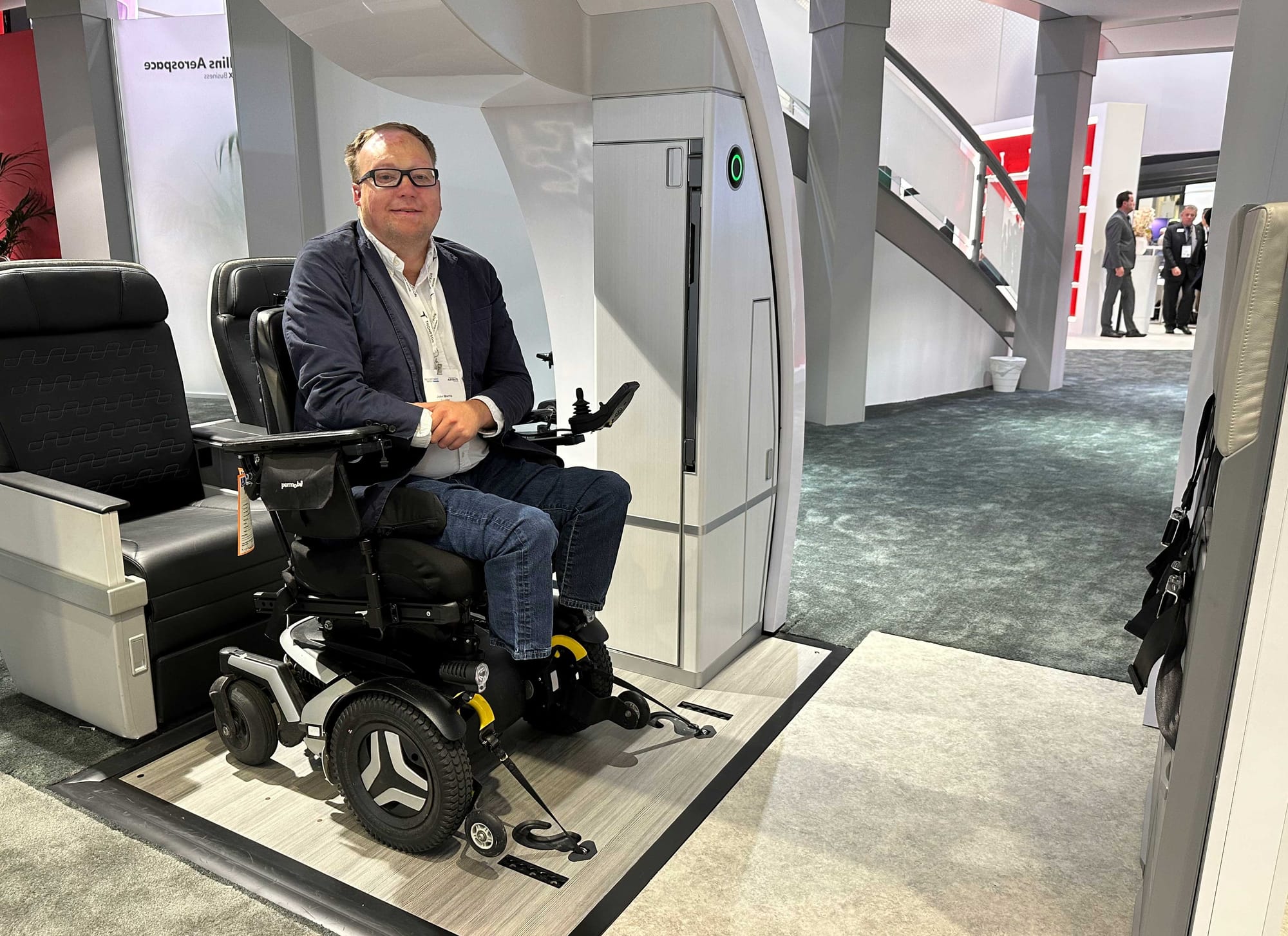
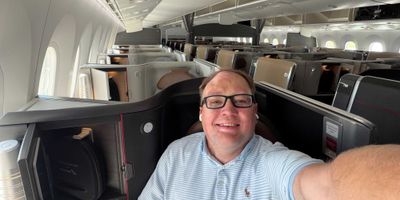
My previous reporting on wheelchair securement spaces currently in development by Delta Flight Products and Collins Aerospace has highlighted a future seating and securement solution that could benefit all wheelchair users, including Nolan. Nolan would like nothing more than to remain in his own wheelchair during flight, and I see no reason why a solution like the Prime+ Accessibility Platform could not be made to accommodate his wheelchair.
Advocating for greater accessibility in air travel requires an investment of time and resources. Please consider upgrading your subscription to a paid membership to support my work. Let's make air travel more accessible together!
Final Thoughts
Travelers like Nolan cannot spontaneously book a flight because they find a good fare. Under the current restrictions imposed upon him by Delta Air Lines, he must secure three seats, coordinate two companions willing and able to travel, navigate a carrier-imposed requirement for safety assistants that DOT's own regulations suggest are improper and spend five times what any nondisabled traveler would spend. The practical effect is that air travel is available to Nolan only in a severely constrained and cost-prohibitive form. This was not the intention of Congress when it passed the Air Carrier Access Act.
I will continue having conversations about accessibility in the air for Nolan and other disabled travelers. Articles like this one are read by industry insiders, and it is my hope that continued advocacy and attention to the needs of disabled passengers will yield positive results for the community.