Hello, travelers!
Finding a place to stay is one of the most important aspects of planning an accessible trip or vacation, and it is a topic that I have spent a lot of time thinking and writing about over the years.
ADA Standards for Accessible Design
If there is one lesson that I have learned over the years, it is that you must verify that a hotel is truly accessible — otherwise, you should prepare to be disappointed. For over 30 years, there have been very clear standards on what constitutes an accessible hotel room in the United States, but those standards are largely ignored. Based on the data that I have collected in 12 years traveling the country as a wheelchair user, I have found that between 80% to 90% of U.S. hotels have major violations of the Americans with Disabilities Act in the hotel room or bathroom.
The design of "accessible" hotel rooms is so variable that few travelers would know what is actually required. To see what hotels are actually required to provide, check out my guide on the ADA Design Standards for Hotels:
 John Morris
In addition to the accessibility of the hotel room itself, hotels are also obliged to ensure that their reservations systems are accessible (and that they provide adequate information on the accessibility of guest rooms). Features and amenities are also required to be accessible (such as swimming pools, hotel/airport shuttles, etc.). You can read more about what is expected of hotels in the following articles:
When we are empowered with the knowledge of what's required, we are able to be better advocates for ourselves and for the community as a whole. Accessibility is not a "nice to have" — it is a necessity, and hotels should be held accountable to the ADA requirements which have been in place for over 30 years.
I have covered critical topics in accessible travel and published resources like these for more than a decade. Would you support my work by becoming a paid member today? For less than a quarter a day, you can support my work and advocacy.
The Bed Height Debate
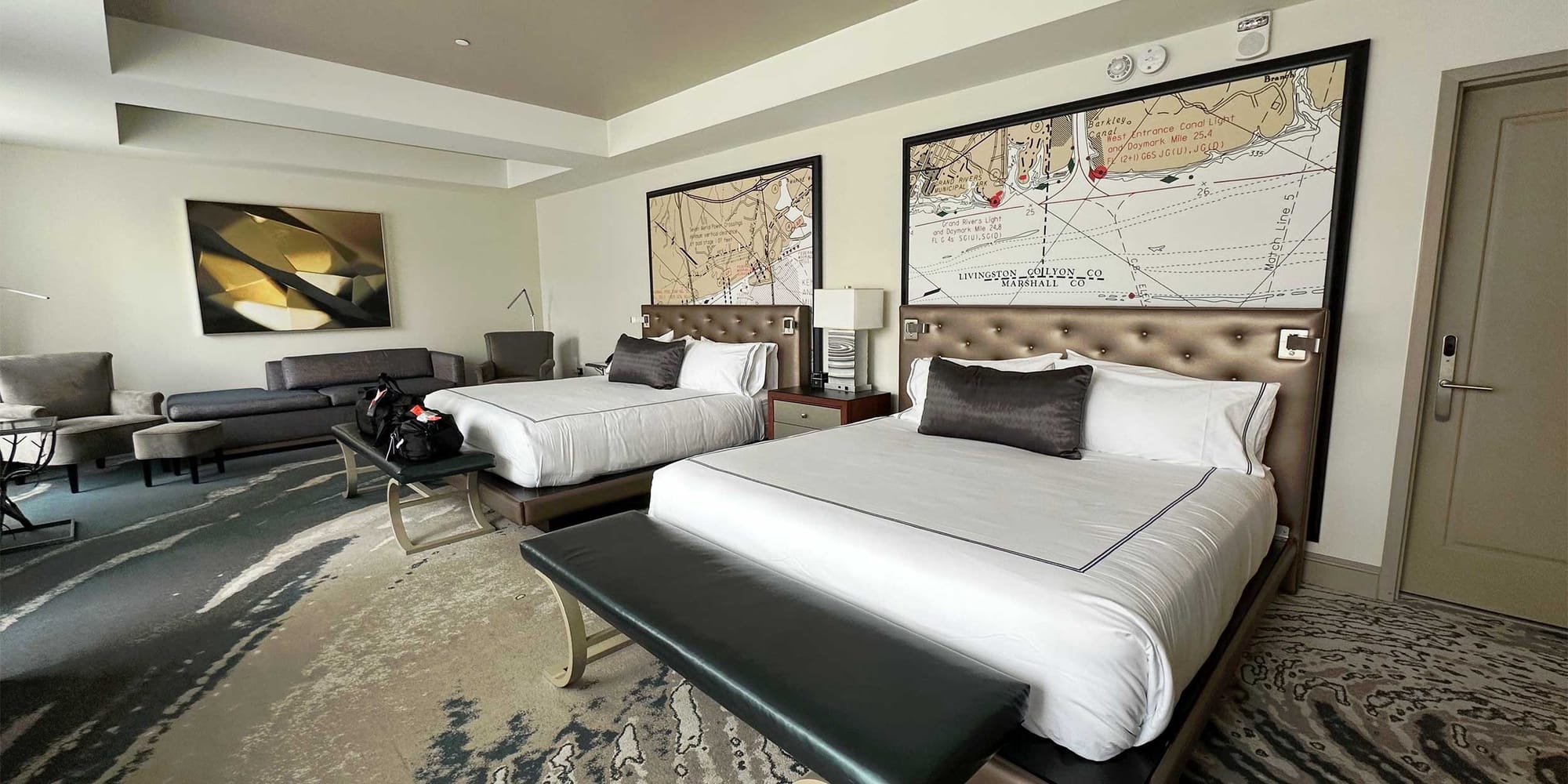
The number one question I am asked by wheelchair users about hotel rooms relates to the height of beds — why are they so tall? I addressed that question in an edition of the "Reader Mailbag," and the answer may surprise you.
 John Morris
Based on the data I have collected from reader surveys and reported in the Accessible Travel Study, preferences for bed height vary widely among disabled travelers and there is no single bed height that meets the needs of even a majority of disabled travelers. That makes setting a standard bed height problematic from a regulatory standpoint.
Hotel Accessibility is More Than the Hotel Room
I recently checked-in to a lovely hotel in Toronto, Canada (look out for a full review in the near future) but, upon arrival, I found that there was no accessible entrance — at least not one that I could utilize independently.
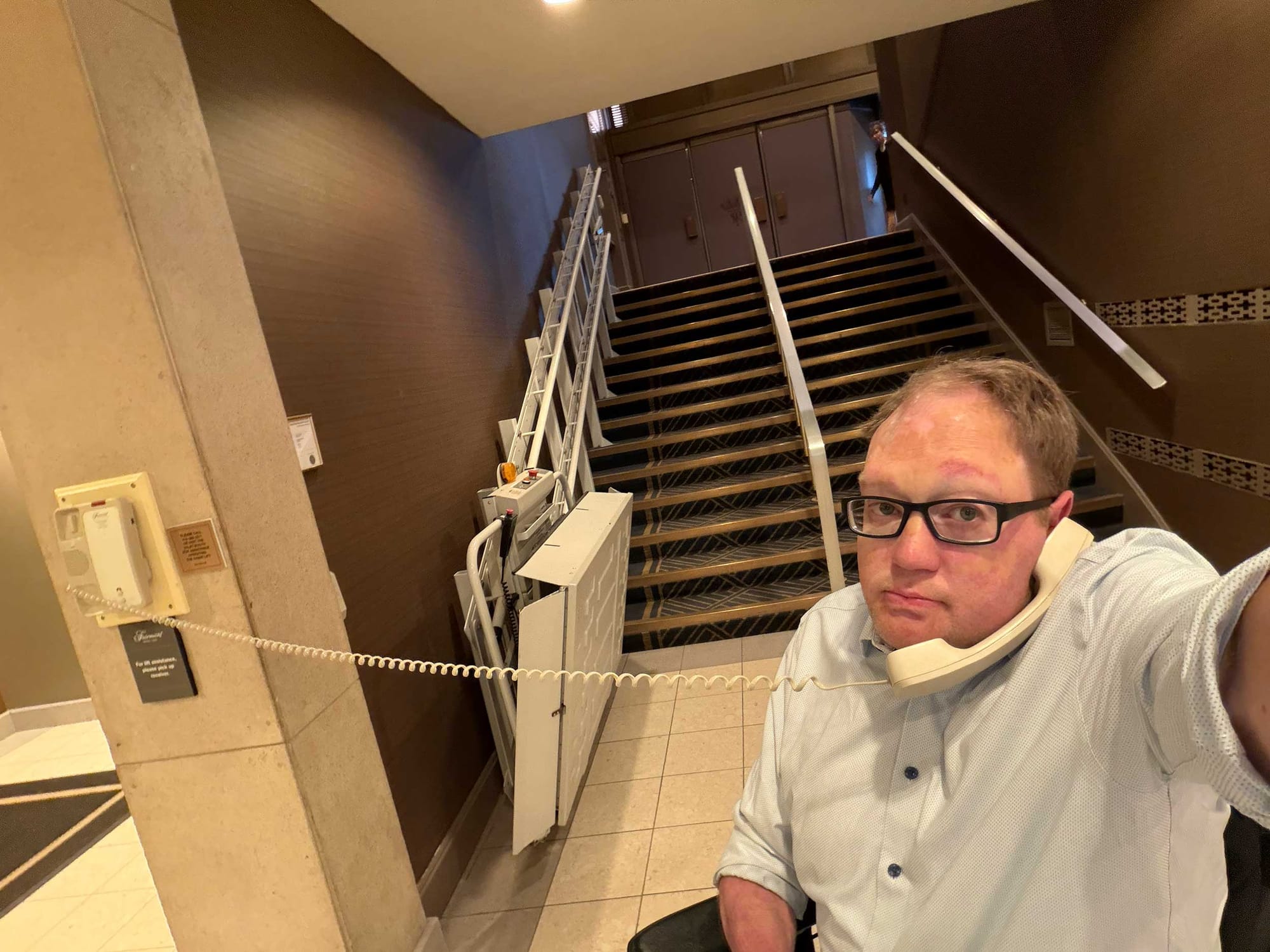
The only accessible pathways into the hotel required the use of a staff elevator or a stair lift — each time I wanted to enter or exit the property, I had to call the front desk, who would send someone to operate the elevator or lift. Sometimes, this meant waiting for 10 minutes while someone made their way to assist me.
Although the accessibility of my guest room was lovely, I do not think I would stay at the hotel again. When asked to define accessibility, I have said that accessibility maximizes independence to the maximum extent feasible. I don't need help entering a hotel, except when barriers have been erected that prevent equal, independent access.
 John Morris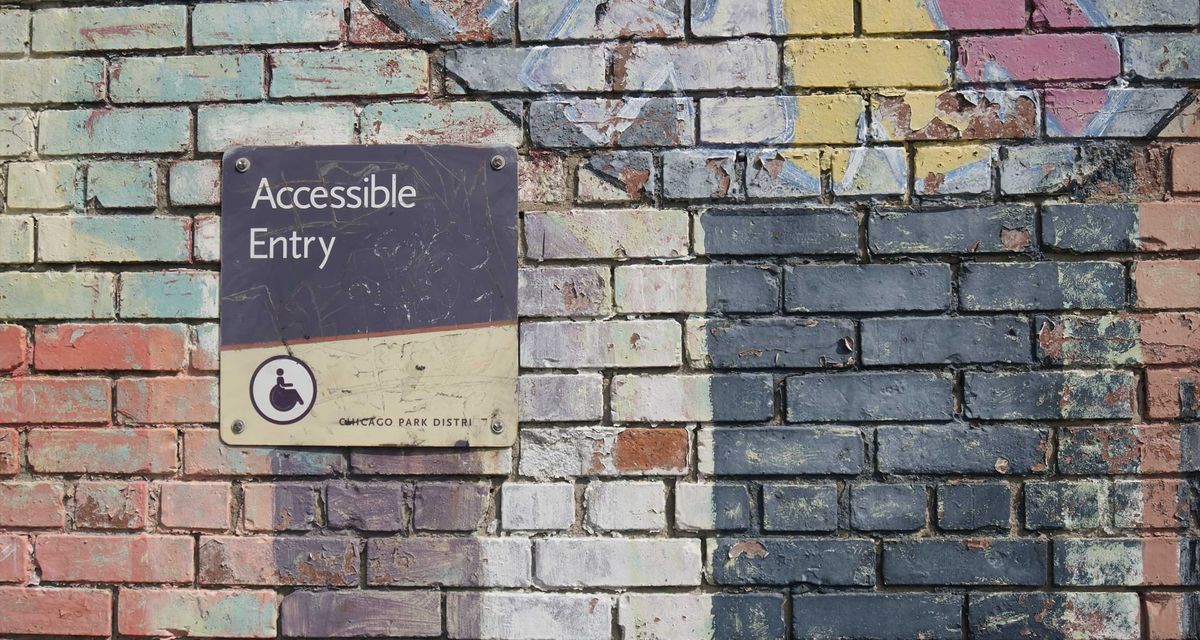
Accessibility in Hotels Outside of the United States
The ADA is a U.S. law, but it has influenced the design of accessible hotel rooms in other countries — particularly in Western Europe. I prefer to stay in major chain hotels, as I find them to be most reliable in terms of accessibility and consistent design. Here are a few hotels I have particularly enjoyed when traveling abroad:
 John Morris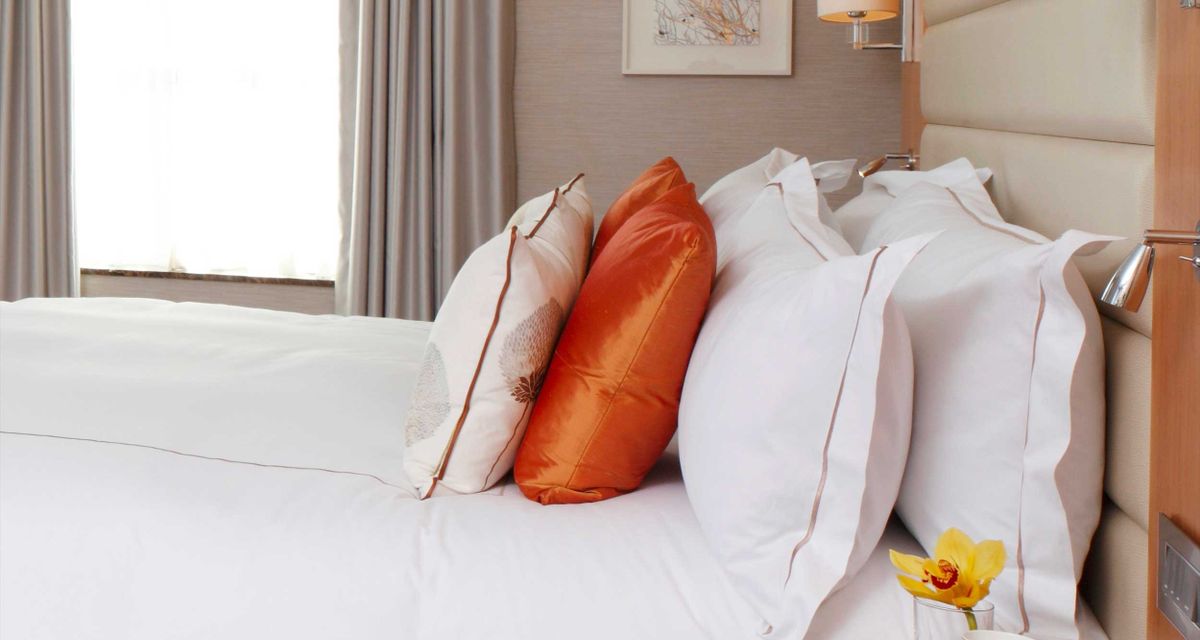
The Conrad London St. James is a high-class hotel in London, very well located for tourists, and it features a fantastic accessible bathroom with grab bars and a built-in shower seat.
 John Morris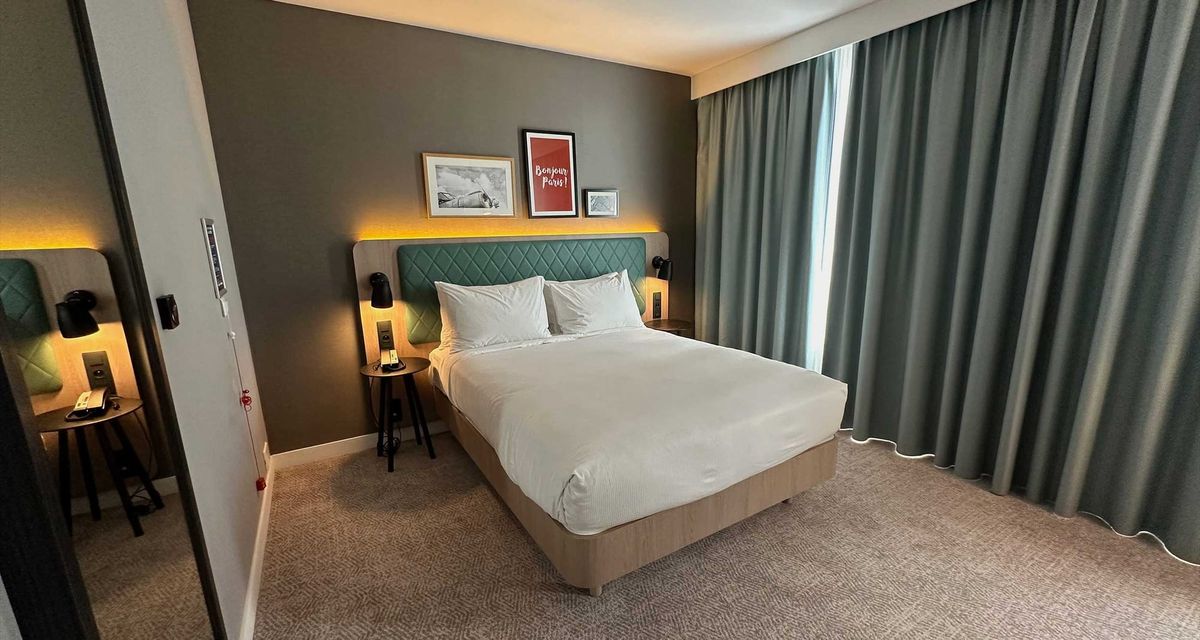
When I traveled to Paris for the Olympic Games in 2024, hotels were extremely expensive. I managed to find a Hilton Garden Inn outside the city, located on an accessible metro line, which offered impressive access at a relatively affordable price.
 John Morris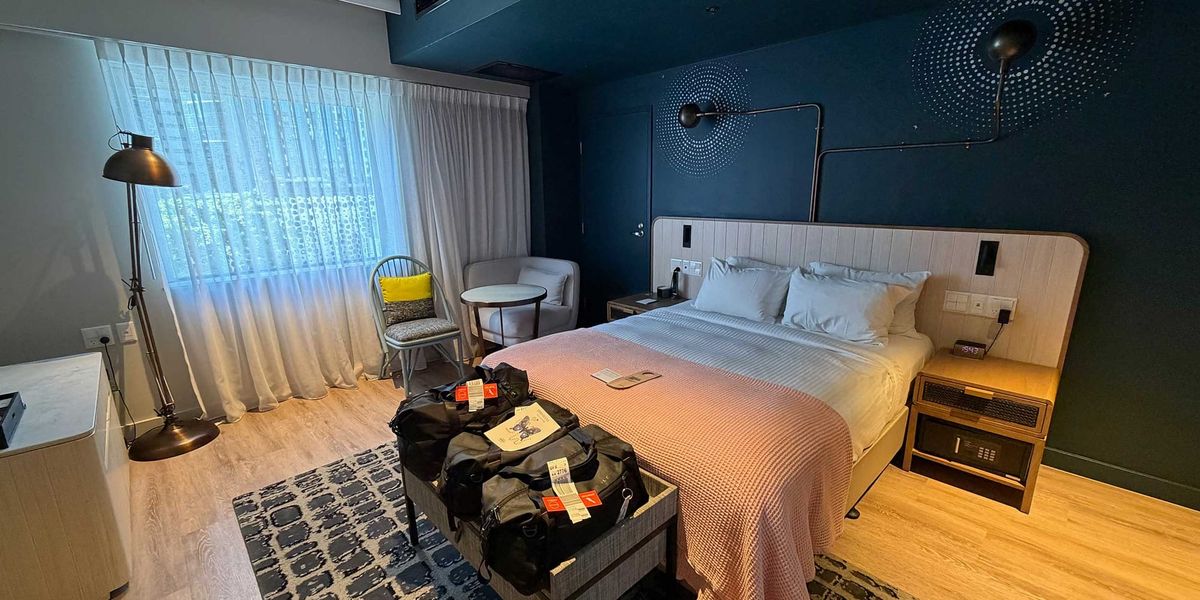
I visited Brisbane, Australia for the first time in January, and booked a room at the Hotel Indigo — the room's roll-in shower was so lovely that I am using it for inspiration for an upcoming home renovation.
I have stayed in a number of Scandic hotels over the years — it is a European hotel chain that has taken accessibility seriously, offering adjustable beds and transfer hoists in many of its hotels. Read about it at the link above!
Would you like to see more in-depth content like this? Support my work by upgrading to a paid subscription. Your support is appreciated!
5 Accessible Hotels I Would Happily Visit Again
I have stayed at hundreds of hotels across the United States, and thought it would be helpful to highlight five of my favorites. While this is not a true top-5 list, these are five really accessible hotels that I would definitely return to in the future:
- The Guild Hotel, A Tribute Portfolio Hotel — San Diego, California
- Salt Lake City Marriott City Center — Salt Lake City, Utah
- Residence Inn Orlando Downtown — Orlando, Florida
- SpringHill Suites Milwaukee Downtown — Milwaukee, Wisconsin
- Home2 Suites by Hilton Atlanta Airport College Park — Atlanta, Georgia
If there are any hotels that you have stayed in and loved, I hope you will share! Leave a comment on this article!
Be Warned: Expect Disappointment or Disaster with Third-Party Hotel Bookings
Where you make a hotel room reservation matters — and it is always best to book directly from the hotel's own website.
Just a couple of weeks ago, I booked an accessible hotel room through a third-party — in this case, through a major credit card company's travel portal — and, when I turned up at the hotel for check-in, the accessible hotel room I had reserved was not available. The hotel's front desk agent said, "you booked a queen standard room." That wasn't what my confirmation email said, but it didn't matter to the hotel, because my reservation was not with them, but with the third-party booking site.
Priceline, Expedia, Agoda, Trivago, Hotwire and others are all the same — they sell bookings for rooms that may not ultimately be honored and, when there is an issue or a hotel is oversold, guests who have booked through a third-party end up at the back of the line.
Although ADA room reservations are required to be honored by law, that is not the reality on the ground. Also troubling is a new wave of "fourth-party" booking websites targeting the disability community that "guarantee" accessible hotel room reservations, but are actually powered by platforms like Expedia and Priceline. In that case, your "guaranteed" accessible room was booked by a fourth-party through a third-party and you will not actually be guaranteed anything by the hotel — not even customer service when things go awry. "Call the third-party," they say, even though you booked through a fourth-party! No room for you, only a headache!
Take it from me — as a wheelchair user who has stayed thousands of nights in hotel rooms — the only way to book is direct. If something does go wrong, you would much rather it be the hotel's problem than some third- or fourth-party website. Accessible accommodation is your home on the road — having a third- or fourth-party involved takes control out of your hands and significantly increases the likelihood of disappointment or disaster. That's a risk not worth taking.
Want to dive deeper into hotel accessibility?
There are well over 100 posts in the Accessible Hotels category on the blog, plus a very detailed Wheelchair Users' Guide to Accessibility in Hotels section. It's a critically important topic, and one that I have certainly paid a lot of attention to.
You can also find a list of accessible hotels within the Accessible Travel Guides to 50+ destinations around the world. If you have any other questions, leave a comment and I will do my best to connect you with an answer!
Talk to you soon,
— John